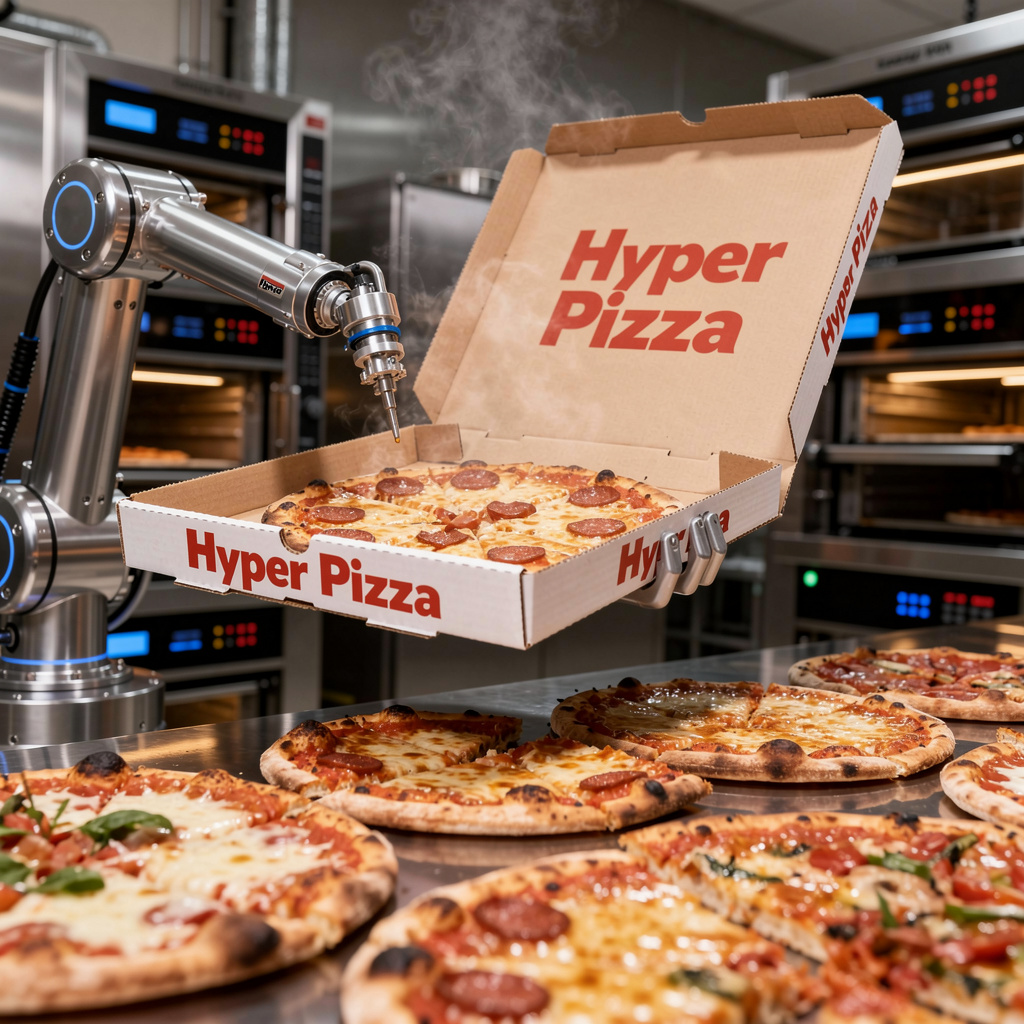
“Robots make the perfect cook, because they never have a bad day.”
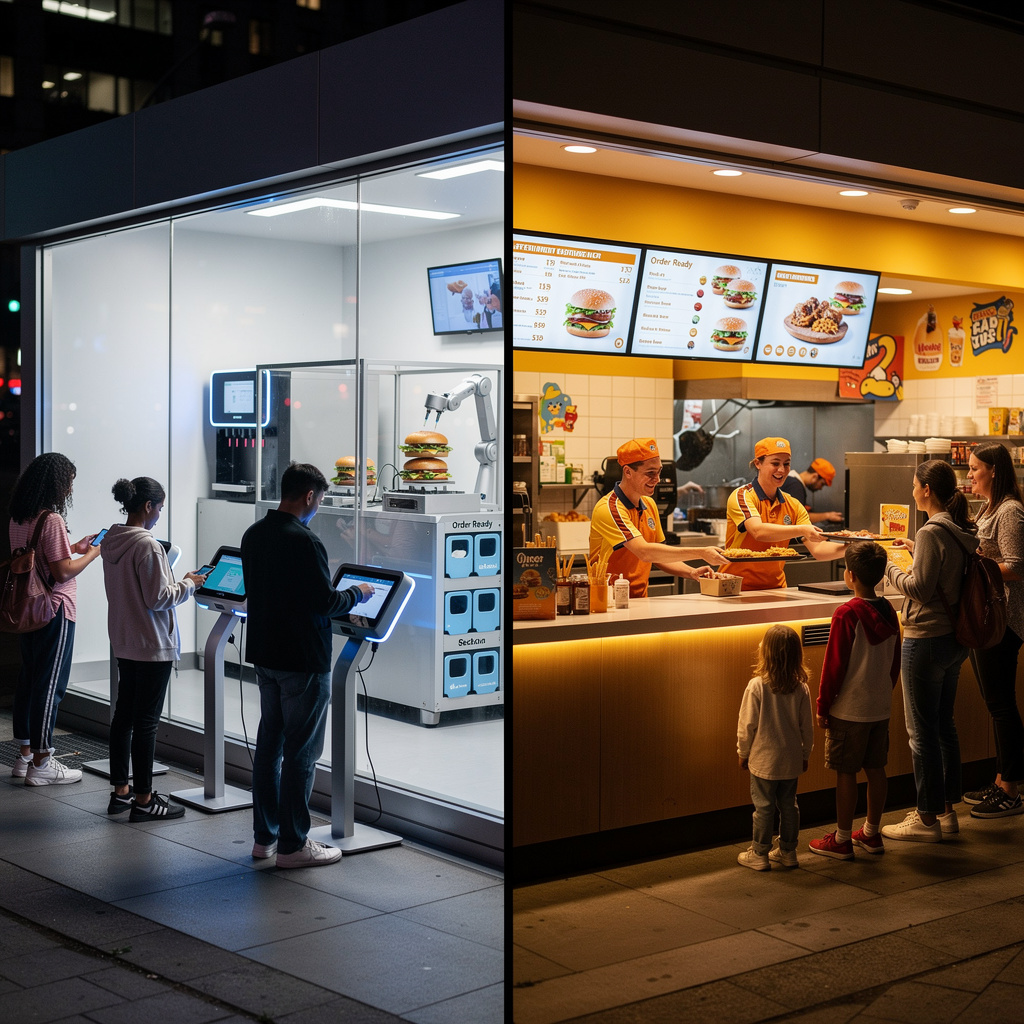
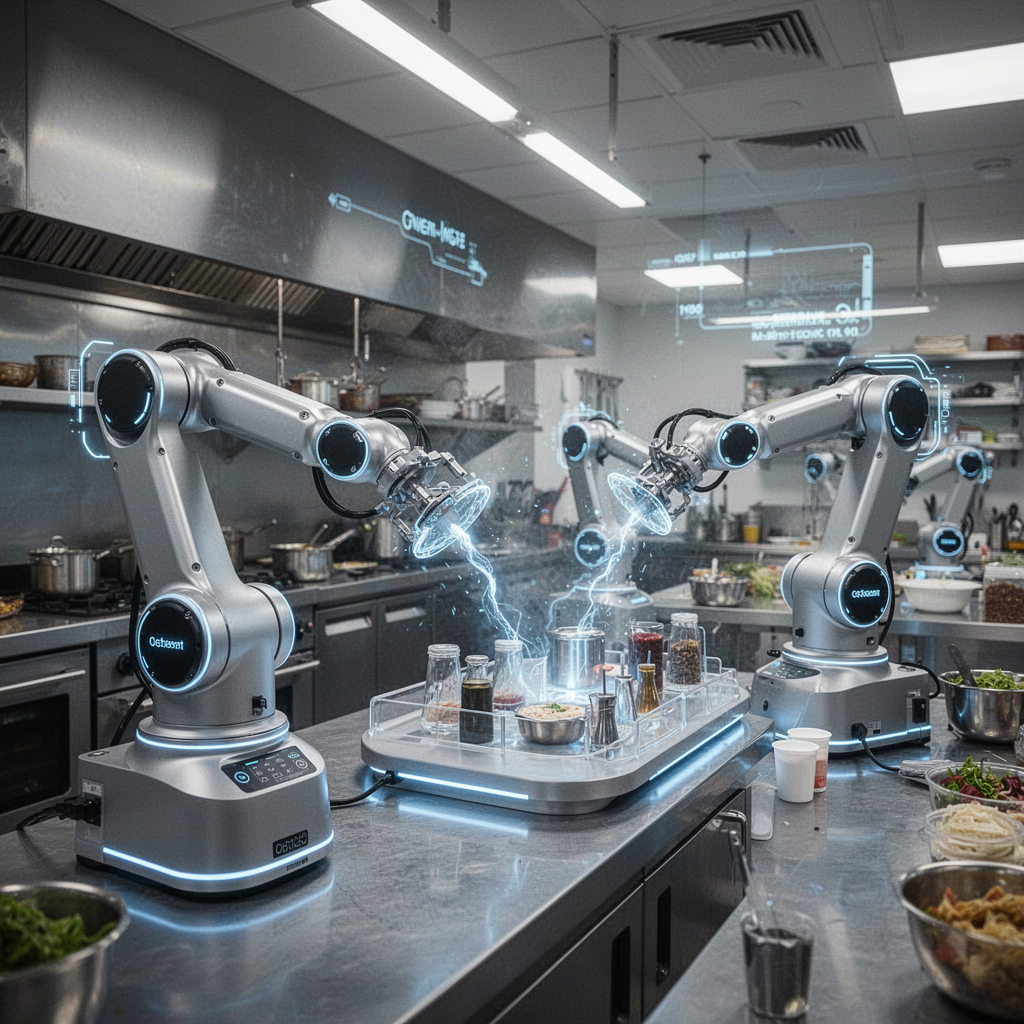
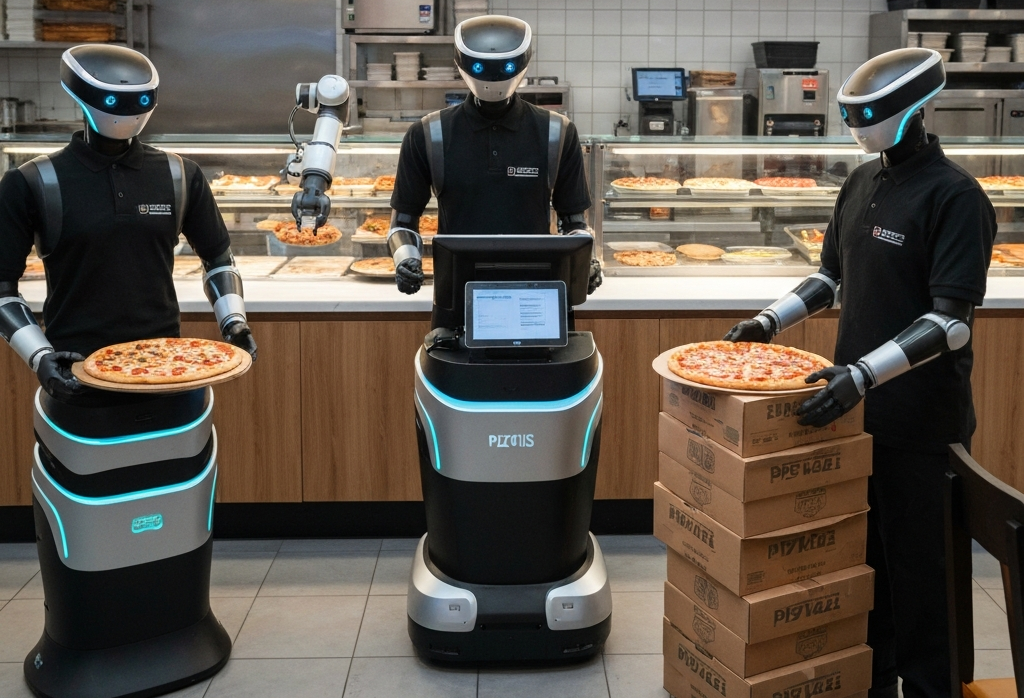
You already know the pinch points: staffing gaps, rising wages, and unpredictable quality that eats into your margins. Kitchen robot technology gives you repeatable speed, verifiable safety, and the scaling muscle to push autonomous fast food from a novelty into a reliable business model. In the next pages you will see why kitchen robots, machine vision, and modular, plug-and-play units are not optional add-ons anymore. They are the core infrastructure that lets you open more profitable units faster, serve more delivery orders with fewer errors, and reclaim control over unit-level economics.
Table Of Contents
- Why Fast Food Cannot Scale The Old Way
- How Kitchen Robot Technology Fixes The Pain Points
- Technology That Powers The Solution
- Vertical Playbook: Pizza, Burger, Salad And Ice Cream
- Business Case And ROI: What You Must Measure
- Implementation Roadmap: Pilot To Fleet
- Operational Risks And How To Mitigate Them
- Why Hyper-Robotics Matters Now
- Key Takeaways
- FAQ
- About Hyper-Robotics
Why Fast Food Cannot Scale The Old Way
You face a set of converging constraints that make rapid expansion risky and expensive. Hiring and retaining staff has become a multi-year fight in many markets. Peak-hour bottlenecks and inconsistent preparation kill throughput and brand trust. Off-premises demand keeps increasing, and traditional kitchens were not designed to optimize for delivery. Investors are asking for faster unit economics. You cannot grow quickly if each new location needs a long buildout, a lot of training, and fragile labor availability.
Market forecasts project rapid growth in food robotics, reaching an estimated USD 5.36 billion by 2030, which supports the argument that operators and investors see automation as the practical response to these constraints. For a recent market overview, see this industry forecast on food robotics. Meanwhile, major chains and press coverage document pilots moving repetitive kitchen tasks to machines; for an example of industry reporting, see this Business Insider coverage of restaurant robotics pilots. Customers expect speed and consistency. You need systems that deliver both without relying on human mood or luck.

How Kitchen Robot Technology Fixes The Pain Points
You want clear reasons to invest. Here are the practical levers that kitchen robots give you, step by step.
1) Throughput And Consistency, Predictable Performance
Machines run programmed cycles, not moods. Robots execute repetitive tasks the same way every time. That translates to steadier throughput in peak windows and fewer cold or incorrect orders. With predictable cycle times, you can model capacity, define staffing (for monitoring and fulfillment rather than assembly), and reduce lost sales during rush periods.
2) Food Safety And Hygiene, Auditable And Continuous
Robots minimize human contact with ready-to-serve food. Sensor-driven temperature monitoring and automated cleaning sequences create verifiable logs you can present to regulators and risk teams. Your food safety program benefits from consistent sanitation cycles and machine-controlled handling.
3) Waste Reduction And Sustainability, Tighter Portions And Inventory
Precision dispensers and measured portions reduce over-serve and spoilage. Integrated inventory tracking flags variance in real time, so you spot supply problems before they become margin leaks. This improves gross margin per ticket while cutting waste.
4) 24/7 Operation And New Revenue Windows
If a unit can operate reliably around the clock, you unlock late-night and early-morning demand that was previously too costly to staff. Autonomous units also enable delivery-only or ghost-kitchen clusters that are cheaper to site and faster to permit.
5) Scale Economics, Faster Rollout With Modular Units
Plug-and-play containerized units compress site selection, permitting, and construction timelines. A 20-foot or 40-foot autonomous unit can be deployed faster than a conventional build, which reduces time-to-revenue and lowers opening risk.
Technology That Powers The Solution
You need to understand the stack, because the real value is in how these pieces work together.
- Machine Vision And AI Cameras
Real-time camera feeds and trained models verify assembly, portion size, and cook state. When the system detects a mismatch it can correct the cycle or flag the order. This reduces refunds and rework. Industry reporting highlights how vision differentiates enterprise-grade systems from gimmicks; see the Business Insider article for examples of deployed vision systems in restaurant pilots . - Rich Sensor Suites
Temperature, weight, humidity and proximity sensors provide the raw signals for safety and quality. They create an audit trail you can export for compliance. Those sensors are the reason automated kitchens can provide HACCP-style logging without manual entry. - Purpose-Built End-Effectors And Tooling
Each vertical needs its own tooling. Dough stretchers for pizza, spatula-and-press systems for burgers, gentle dispensers for salads, and precise soft-serve heads for ice cream. Off-the-shelf manipulators will not cut it. You need vertical-specific mechanical design to hit throughput and food quality targets. - Self-Sanitation And Materials
Automated cleaning cycles and corrosion-resistant construction allow for predictable sanitation. That reduces manual labor and ensures hygiene without chemicals, a benefit many operators want to market. - Software Orchestration And Cluster Management
Centralized software ties inventory, analytics, remote diagnostics, and fleet updates into one pane of glass. Predictive maintenance reduces downtime by identifying wear before failure. With cluster management you deploy updates to multiple units at once and keep remote diagnostics running 24/7. - Security And Compliance
When you automate at scale you expose more endpoints. Hardened IoT stacks and encryption for communications are not optional. You need device-level security and enterprise SLAs for patches.
Vertical Playbook: Pizza, Burger, Salad And Ice Cream
You will not approach every menu the same way. Here are short, true-to-life examples to show how robotics helps.
- Pizza
A machine stretches dough to consistent thickness, applies sauce and toppings precisely, and stages the pizza into an oven on a timed belt. The result is identical pies at high throughput. Operators running automated pizza stations report dramatic improvements in cycle time and fewer complaints about undercooked or uneven pies. - Burger
Automated grill stations control cook temperature and timing, a robot assembles patties and toppings with the same sequence every order, and bun toasting is synchronized. During a lunch rush the assembly line hums, not stalls. You experience fewer returns for undercooked patties and faster ticket times. - Salad Bowl
Measured dispensers maintain portion accuracy and cold-chain sensors ensure leafy greens stay crisp. Automation reduces over-portioning and waste. For operators whose margins depend on fresh produce, that matters. - Ice Cream
Precise dispensing with temperature control eliminates over-serve and product loss from melt. You can run late-night windows with confidence that quality will not degrade.
Business Case And ROI: What You Must Measure
You must quantify benefits before scaling. Here are the inputs you need to model.
Capital Cost Versus Traditional Build
Compare the capex for a modular autonomous unit against a conventional kitchen build. Include site work, permitting and fit-out.
Labor Savings And Redeployment
Measure FTE reduction and the redeployment value. Often employees shift into customer engagement, maintenance, and logistics roles.
Throughput Gains And Lost-Sale Avoidance
Model how higher throughput reduces lost sales in peak periods. Measure changes in average ticket time and order completion rates.
Waste Reduction And Refund Avoidance
Track food waste, refund incidents, and comped orders. Automation should reduce each of these.
Maintenance, Consumables, And Integration Costs
Include SLAs, spare parts, consumables and POS integrations.
A common approach is a 90-day pilot during peak windows. Measure overall equipment effectiveness, ticket accuracy, average time to prepare and customer net promoter score. When you run these metrics you will see which locations reach breakeven fastest, and where scaling makes financial sense.
Implementation Roadmap: Pilot To Fleet
You need a playbook to avoid expensive mistakes. Follow a measured path.
- Phase 1 Pilot, Focused Menu And Corridor
Select high-demand delivery corridors and a narrow menu. Run core SKUs for 60 to 90 days and collect data. - Phase 2 Validate KPIs
Measure throughput, ticket accuracy and OEE. Verify inventory flow and supply chain constraints. - Phase 3 Scale In Clusters
Deploy units in geographical clusters and use centralized software to manage them. This reduces on-site maintenance trips and keeps unit behavior consistent. For operational guidance on compressing rollout time with modular units, see Hyper-Robotics operational guidance on 24/7 delivery automation . - Phase 4 National Roll-Out
Once KPIs meet targets, expand using the plug-and-play units that compress permitting and build time. Learn more about Hyper-Robotics modular units and company capabilities.
Operational Risks And How To Mitigate Them
You will encounter problems and you must plan for them.
Maintenance And Downtime
Use remote diagnostics and hot-swap modules. Negotiate enterprise SLAs that include local technicians and quick replacement parts.
Consumer Acceptance
Tell your story. Co-market automation as a quality and consistency improvement. Train staff to engage with customers and explain the benefits.
Regulatory And Food Safety
Validate systems with health departments. Keep detailed logs for inspection and certification.
Labor Transition
Retrain staff to operate, maintain and monitor robotic fleets. You will shift employees into higher-skill, higher-value roles.
Why Hyper-Robotics Matters Now
You want a partner with domain experience in hospitality and robotics. Hyper Food Robotics specializes in transforming fast-food delivery restaurants into fully automated units, revolutionizing the fast-food industry with cutting-edge technology and innovative solutions. We perfect your fast-food whatever the ingredients and tastes you require. Hyper-Robotics addresses inefficiencies in manual operations by delivering autonomous robotic solutions that enhance speed, accuracy, and productivity. Our robots solve challenges such as labor shortages, operational inconsistencies, and the need for round-the-clock operation, providing solutions like automated food preparation, retail systems, kitchen automation and pick-up draws for deliveries.
Hyper-Robotics started building autonomous units in 2019 and brings together decades of fast-food retail experience, robotics and mechanics. Their modular 20-foot and 40-foot units compress rollout time and scale, and they publish operational guidance about why automation in restaurants is vital for 24/7 delivery operations. If you want to learn how Hyper scales units quickly and reduces chemical use in cleaning while maintaining sanitation and audit trails, visit their company page for detail.

Key Takeaways
- Start with a focused 60 to 90 day pilot that measures throughput, ticket accuracy and OEE, then scale clusters only after KPIs are validated.
- Use modular, plug-and-play units to compress site and permitting risk, and to unlock faster time-to-revenue.
- Track real financial levers: labor cost saved, waste reduction, lost-sale avoidance and maintenance SLAs.
- Prioritize machine vision, sensor audits and security in vendor selection to ensure quality, compliance and data protection.
- Retrain staff into monitoring, maintenance and customer roles to preserve brand experience while automating repetitive tasks.
FAQ
Q: How quickly can I validate the benefits of kitchen robot technology?
A: Run a focused pilot for 60 to 90 days that covers your busiest windows and most frequent SKUs. During that time measure throughput, ticket accuracy, average prep time and customer satisfaction. Compare those KPIs to matched control stores or historical baselines. If the pilot uses a modular 20-foot or 40-foot unit, you will also get a sense for permitting and site logistics. The pilot should produce a break-even window estimate and a list of integration tasks for scaling.
Q: What are realistic cost drivers to expect when evaluating an autonomous unit?
A: Your cost model should include capex for the unit, integration and POS connectors, spare parts and consumables, and SLA costs for maintenance and repairs. On the benefits side, forecast labor savings, throughput gains, reduced waste and fewer refunds. Be conservative on maintenance costs in year one, and use predictive maintenance data to improve the model in year two. A proper ROI spreadsheet will include sensitivity cases for utilization, staffing redeployment and supply chain variance.
Q: How do I manage security and compliance across an autonomous fleet?
A: Require device-level security, encrypted communications and enterprise patching in vendor contracts. Ask vendors for whitepapers on their IoT security, SOC or ISO certifications if available, and for data flow diagrams that show how payment and customer data are protected. Maintain audit logs for food safety checks and sensor data to speed regulatory inspections. Build a governance model that includes remote monitoring, incident response, and periodic penetration testing.
About Hyper-Robotics
Hyper Food Robotics specializes in transforming fast-food delivery restaurants into fully automated units, revolutionizing the fast-food industry with cutting-edge technology and innovative solutions. We perfect your fast-food whatever the ingredients and tastes you require. Hyper-Robotics addresses inefficiencies in manual operations by delivering autonomous robotic solutions that enhance speed, accuracy, and productivity. Our robots solve challenges such as labor shortages, operational inconsistencies, and the need for round-the-clock operation, providing solutions like automated food preparation, retail systems, kitchen automation and pick-up draws for deliveries.
You have a choice. You can keep rebuilding the same fragile manual model and hope staffing and peak demand improve, or you can pilot the future, kitchen robotics that let you control quality, expand faster, and protect margins. Will you start your 90-day pilot this quarter and see how kitchen robots change your unit economics and growth trajectory?