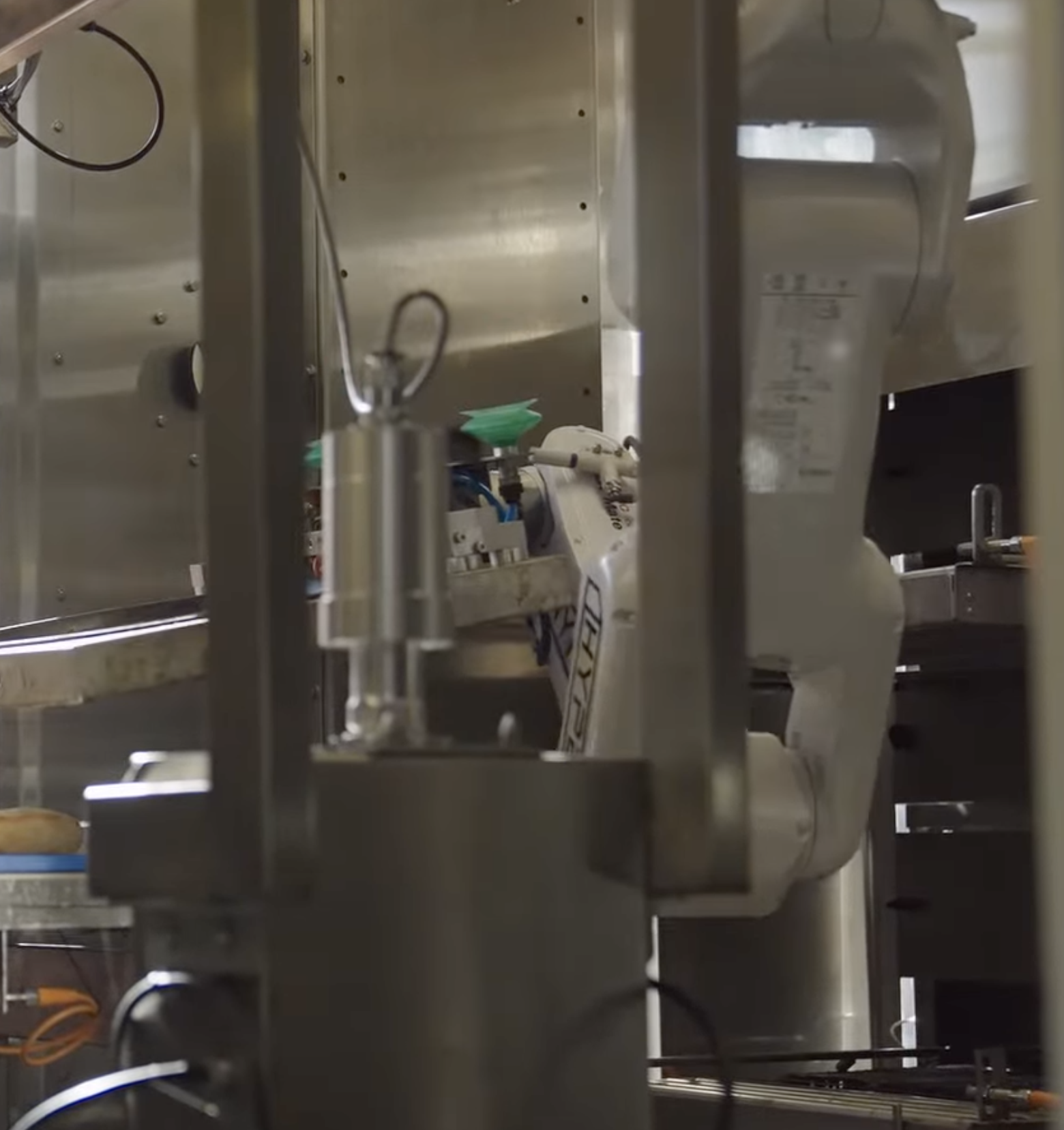
Can a robot make a better burger than your best line cook?
You are watching the future of fast food arrive in a shipping container, in a modular kiosk, and on the edge of your delivery map. Autonomous fast food, powered by robotics, machine vision, and cloud orchestration, is already shifting how you expand restaurant footprints, control costs, and deliver consistent meals at scale. This article gives you a clear, practical guide to what autonomous fast food is, why it matters for scaling restaurant chains, what the technology stack looks like, and how to move from pilot to enterprise rollout with lower risk and measurable outcomes.
Table of Contents
- The Basics
- Intermediate Insights
- Advanced Insights
- How Autonomous Units Create Business Value
- How Implementation Actually Happens: Pilot to Scale
- Problems, Why They Matter, and How to Mitigate Them
- Performance Metrics and ROI You Should Expect
- Competitive Landscape and Real-World Examples
- Future Trends
- Key Takeaways
The Basics
You need a working definition before you buy into the hype. An autonomous fast-food restaurant is a purpose-built, often containerized or compact, kitchen unit that combines robotics, machine vision, sensors, and cloud software to prepare, assemble, and package orders with minimal human intervention. Typical formats include IoT-enabled, fully-functional 40-foot container restaurants for full menus and smaller compact units optimized for delivery-first menus. These units are built to operate with zero human interface for carry-out and delivery, or to work alongside human staff in hybrid formats.
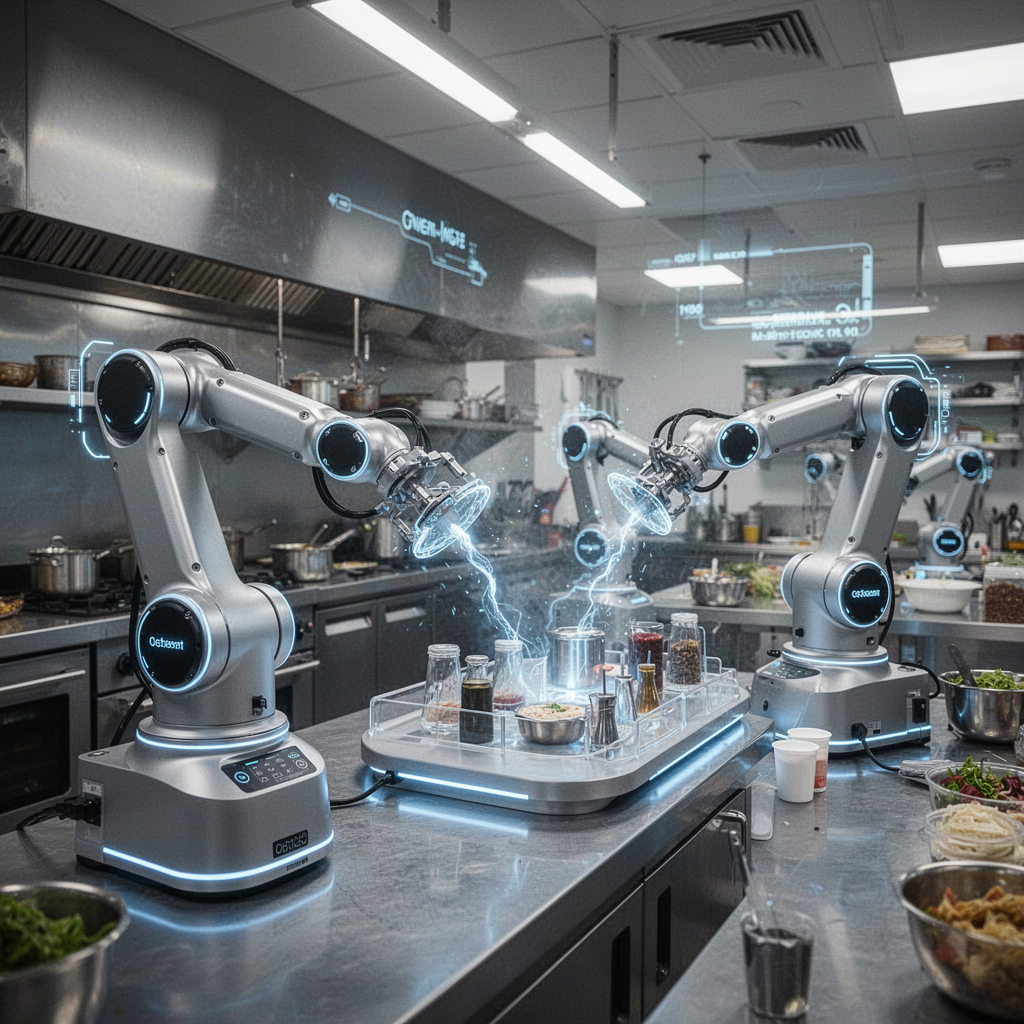
Expect three core layers in any system you evaluate. First, the robotic hardware that flips, fries, dispenses, or assembles. Second, the sensing layer of cameras and environmental sensors that verify portion, cook state, and safety. Third, the software layer that orchestrates production, inventory, and integration with POS and delivery platforms. For a field-level summary, see the Hyper Food Robotics knowledgebase on automation in fast food: [Automation in Fast Food: What You Need to Know in 2025].
Intermediate Insights
You are not buying an appliance. You are buying a distributed system that must integrate into your franchise operations, supply chain, and digital ordering stack. That means three practical issues you will face early.
First, site and utility readiness. A plug-and-play container reduces construction time, but you still need power, water, and often a network connection with redundancy. Plan for rapid commissioning procedures and a checklist for local permits.
Second, integration with ordering and delivery. If your autonomous unit cannot accept orders through your POS, loyalty system, and delivery partners, it becomes an island. Connect early, test thoroughly, and create order-routing logic so that orders are sent to the right node in a cluster.
Third, maintenance and workforce reallocation. Automation reduces repetitive tasks, but it introduces the need for technicians, remote diagnostics, and spare parts. Define service-level agreements and train a small crew to manage exceptions and quality control.
For vendor discussions and boardroom planning, Hyper Food Robotics has published data-backed guidance showing how autonomous kitchens drive efficiency and cost savings. See their report on end-to-end automation economics to ground your assumptions: [Fast Food Automation: From Concept to Implementation in 2025].

Advanced Insights
When you want to scale across hundreds or thousands of locations, engineering and operational details determine success.
Cluster Orchestration and Routing
Treat each autonomous unit as a node in a service mesh. Orders should be routed in real time to the node with available capacity closest to the customer. This requires networked telemetry, queue forecasts, and the ability to shift menus or capacity across units when demand spikes.
Predictive Inventory and Supply Chain
Use predictive models that integrate historical demand, scheduled events, and weather. Automated reorder triggers and regional distribution center links keep parts and ingredients flowing. Containerized units deliver faster time-to-revenue, but you only capture that advantage if inventory systems prevent stockouts.
Safety, Food Quality, and Compliance
Embed food safety checks into the sensing layer. Cameras and sensors should verify temperatures, portion sizes, and sealing. Maintain audit-ready test logs that inspectors can review remotely. Early wins in automation are often about consistent quality assurance, not raw speed.
Security at Scale
Design for device authentication, endpoint encryption, and continuous monitoring. An IoT-connected kitchen increases your attack surface. Require vendors to publish security architectures and submit to third-party audits.
Human Experience Design
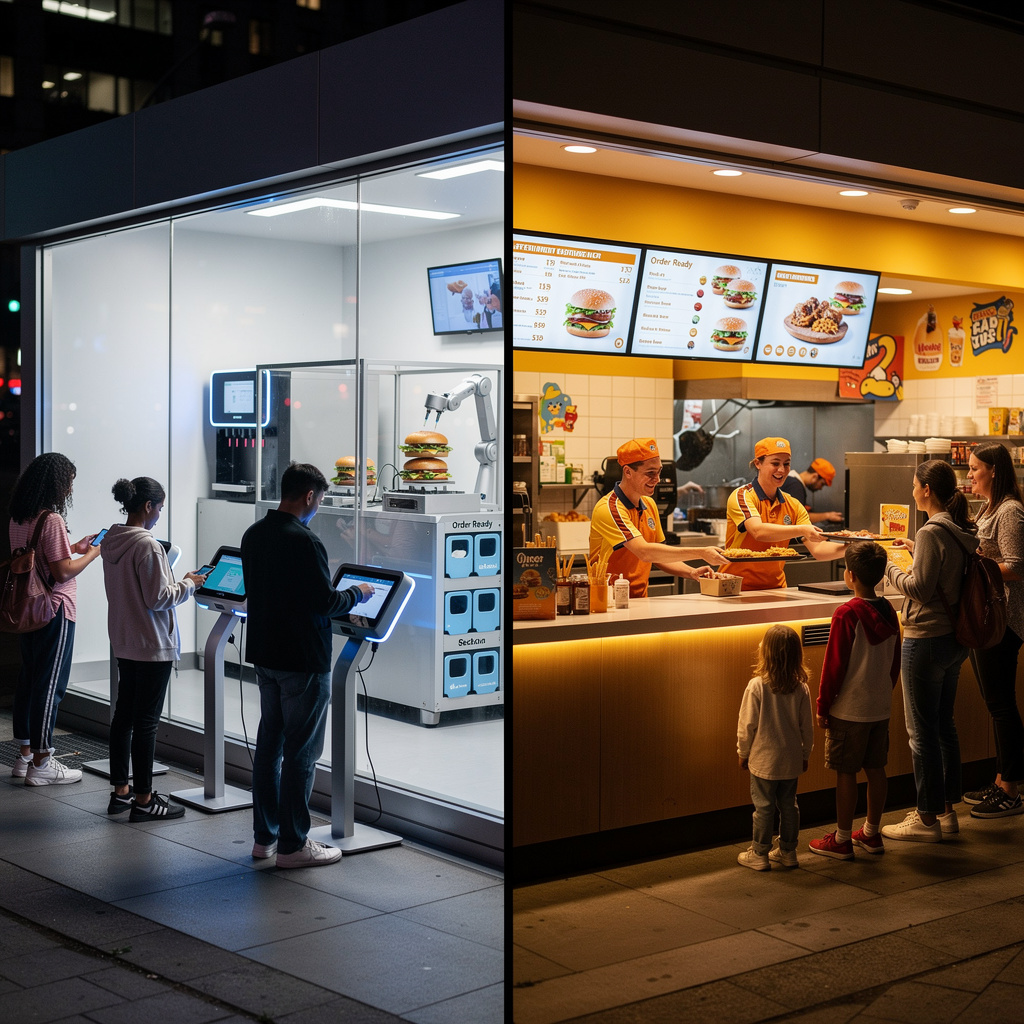
Integrate subtle human touches. Consumers still crave warmth and transparency. Display real-time status of their order, include a short quality check by a human when orders are flagged, and design packaging that reflects brand values. These steps increase acceptance while the technology matures.
How Autonomous Units Create Business Value
You want to scale, but you do not want to blow capital on thousands of leases and buildouts. Autonomous units change the economics.
Faster Rollouts and Unit Economics
You can deploy a containerized unit in weeks rather than months. That reduces pre-opening costs and shortens time-to-first-order. In dense delivery regions, that time advantage converts directly into revenue.
Labor and Operational Consistency
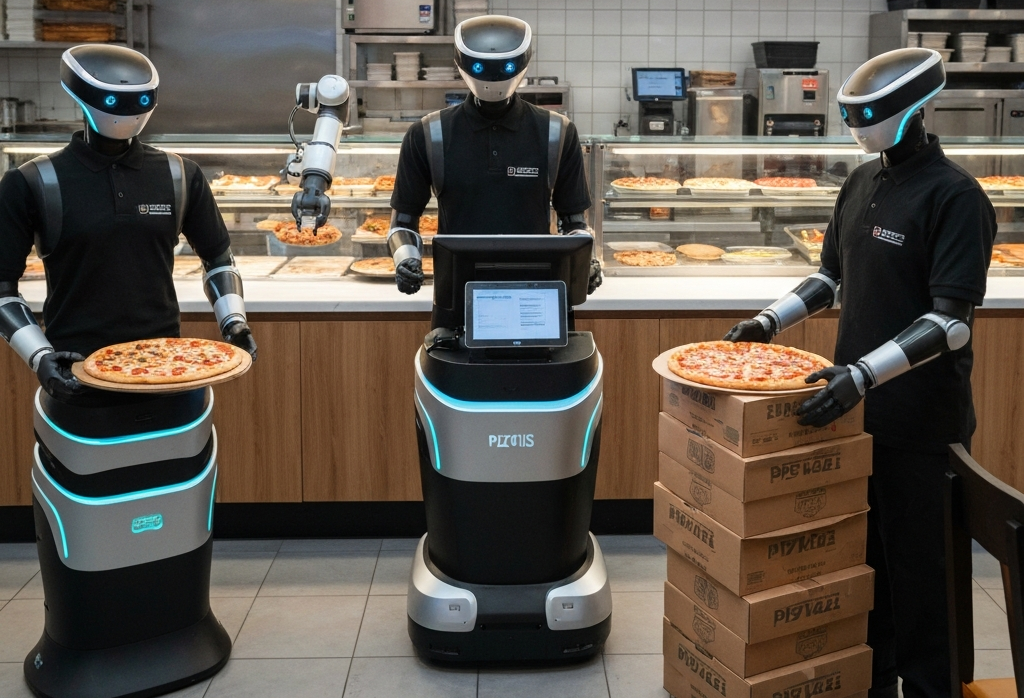
Robotics reduce reliance on hourly staff for repetitive tasks. That lowers variance in taste and portioning across locations. You will redeploy remaining staff to customer experience roles and oversight, increasing employee retention and satisfaction in more skilled positions.
Extended Hours and New Footprints
You can operate overnight or in nontraditional venues where labor costs or staffing are prohibitive. Universities, stadiums, and transportation hubs become viable locations.
Hygiene and Waste Reduction
Automation minimizes direct human contact and enforces portioning. That reduces contamination risk and food waste. For a general industry view on hygiene advantages and how fast-food robotics improve safety, see the NextMSC overview of food robotics: [Food Robotics: Revolutionizing Fast Food and Beyond].
How Implementation Actually Happens: Pilot to Scale
Treat deployment like any major product launch, with measurable gates. Here is a practical roadmap.
1) Define objectives and success metrics
Decide if the unit is primarily for delivery, curbside, or pickup. Establish KPIs up front. Typical KPIs include orders per hour, order accuracy, labor cost per order, uptime, and time-to-revenue.
2) Pick the pilot site wisely
Choose high-density delivery demand locations like campuses, corporate districts, or transit hubs. A 3 to 6 month pilot gives you enough throughput to test maintenance cycles and consumer acceptance.
3) Integrate and test
Connect POS, loyalty, and delivery platforms early. Run load tests and queue routing scenarios. Test all failure modes and fallback procedures, including manual preparation paths.
4) Iterate and cluster
After the pilot, deploy a small cluster with routing logic. Expect diminishing marginal cost per order as you scale clusters in a metropolitan area.
5) Scale with governance
Formalize standards, SLAs, and local permitting playbooks. Train field teams and set up regional spare parts depots.
For a vendor-focused perspective on the macro drivers behind this shift, review Hyper Food Robotics’ analysis of labor and delivery economics that are pushing autonomous systems from pilots to scalable solutions: [What Drives the Surge of Autonomous Fast-Food Robots in Global Delivery Chains].
Problems, Why They Matter, and How to Mitigate Them
You will face resistance and technical issues. Here are the top problems, why they matter, and how to prevent or mitigate them.
Regulatory Friction
Why it matters: health codes and local building rules differ across jurisdictions. Without compliance, deployments stall.
How to mitigate: engage local authorities early, prepare audit-ready logs, and design for modular compliance that can be adjusted per jurisdiction.
Maintenance and Parts Logistics
Why it matters: downtime kills the business case.
How to mitigate: negotiate SLAs with vendors, stock critical spares regionally, and ensure remote diagnostics are available.
Cybersecurity
Why it matters: IoT vulnerabilities can disrupt operations and damage brand trust.
How to mitigate: require device authentication, encryption, and continuous monitoring. Insist on third-party security audits and secure update mechanisms.
Consumer Acceptance and UX
Why it matters: negative experiences on day one create permanent brand damage.
How to mitigate: add human oversight, clear communication, and visible quality checks. Launch with a limited menu and expand as confidence grows.
Supply Chain and Ingredient Variability
Why it matters: robotics need predictable inputs to deliver consistent quality.
How to mitigate: standardize ingredient specifications, implement strict incoming QA, and build fallback manual workstations for exceptional cases.
Performance Metrics and ROI You Should Expect
You want numbers you can use in a boardroom. Here are measurable outcomes to benchmark.
– Operational cost reduction: vendors like Hyper Food Robotics estimate autonomous kitchens can reduce operational costs by up to 50% through labor and efficiency gains. See the Hyper Food Robotics implementation report for details: [Fast Food Automation: From Concept to Implementation in 2025].
- Order accuracy: expect double-digit improvements from automated portioning and vision checks.
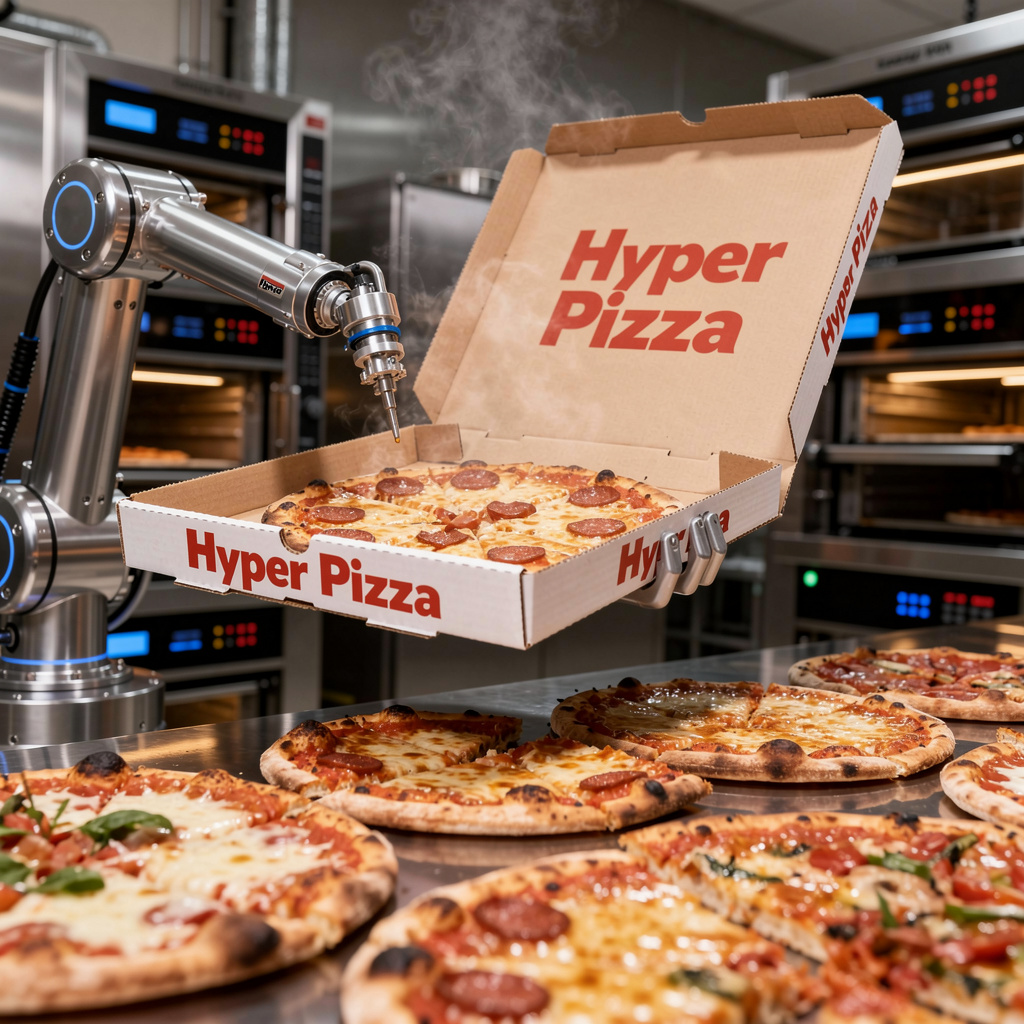
- Throughput: varies by menu complexity, but containerized units can match peak demand for compact menus like pizza, burgers, and bowls.
- Time-to-revenue: plug-and-play units commonly reduce pre-opening time from months to weeks, compressing the payback interval.
- Uptime and MTTR: set contractual uptime targets and aim for mean time to repair that keeps revenue loss under a predetermined threshold.
Create scenario models for your specific ticket price, local wage rates, and projected throughput. Run conservative, base, and optimistic cases. Dense delivery demand and high average tickets shorten payback materially.

Future Trends
Watch three converging trends.
End-to-End Automation
Autonomous kitchens will pair with autonomous last-mile delivery, reducing labor across the entire order lifecycle and enabling new service models.
Smarter Forecasting and Personalization
AI models will predict demand by neighborhood and personalize execution for frequent customers without compromising speed.
Regulatory Standardization
As pilots scale, expect regulators to standardize inspection and certification practices, simplifying multi-jurisdiction rollouts.
Key Takeaways
- Start with a narrow menu pilot near dense delivery demand to validate throughput and economics.
- Require vendor SLAs for uptime, parts, and cybersecurity before signing large-scale contracts.
- Integrate POS, loyalty, and delivery platforms before you deploy to avoid operational islands.
- Measure success with orders per hour, order accuracy, labor cost per order, and time-to-revenue.
- Design early consumer-facing transparency and human oversight to build trust.
FAQ
Q: How long should a pilot last before deciding to scale?
A: A pilot should run long enough to capture peak and off-peak demand, and to stress maintenance cycles. In practice, a 3 to 6 month pilot lets you gather enough throughput and downtime data to model MTTR, parts consumption, and customer acceptance. Use that period to test integration with POS and delivery partners, and to refine fallback processes. If your KPIs hold in month three and improve by month six, you are ready to plan a cluster rollout.
Q: Will automation eliminate kitchen jobs at scale?
A: Automation replaces repetitive tasks but often creates higher-skill roles for technicians, operators, and logistics managers. You will likely redeploy staff into customer-facing roles and oversight functions. Communicate changes clearly with your team, offer retraining programs, and design hybrid workflows where humans and robots collaborate.
Q: How do you ensure food safety and compliance with an autonomous kitchen?
A: Embed safety verification into the sensing layer, with cameras and temperature sensors that log every critical control point. Keep audit-ready logs and remote access for inspectors. Design cleaning cycles and material choices for easy sanitation. Finally, engage local health authorities early so you can address jurisdictional differences proactively.
Q: What operational KPIs should I track after deployment?
A: Track orders per hour, average ticket, order accuracy, labor cost per order, uptime, MTTR, and inventory shrinkage. Also monitor customer satisfaction scores and complaint rates. Use these metrics to refine routing, menu complexity, and staffing allocations across clusters.
About Hyper Food Robotics
Hyper Food Robotics specializes in transforming fast-food delivery restaurants into fully automated units, revolutionizing the fast-food industry with cutting-edge technology and innovative solutions.
Hyper-Robotics addresses inefficiencies in manual operations by delivering autonomous robotic solutions that enhance speed, accuracy, and productivity. Their robots solve challenges such as labor shortages, operational inconsistencies, and the need for round-the-clock operation, providing solutions like automated food preparation, retail systems, and kitchen automation.