The year is 2030
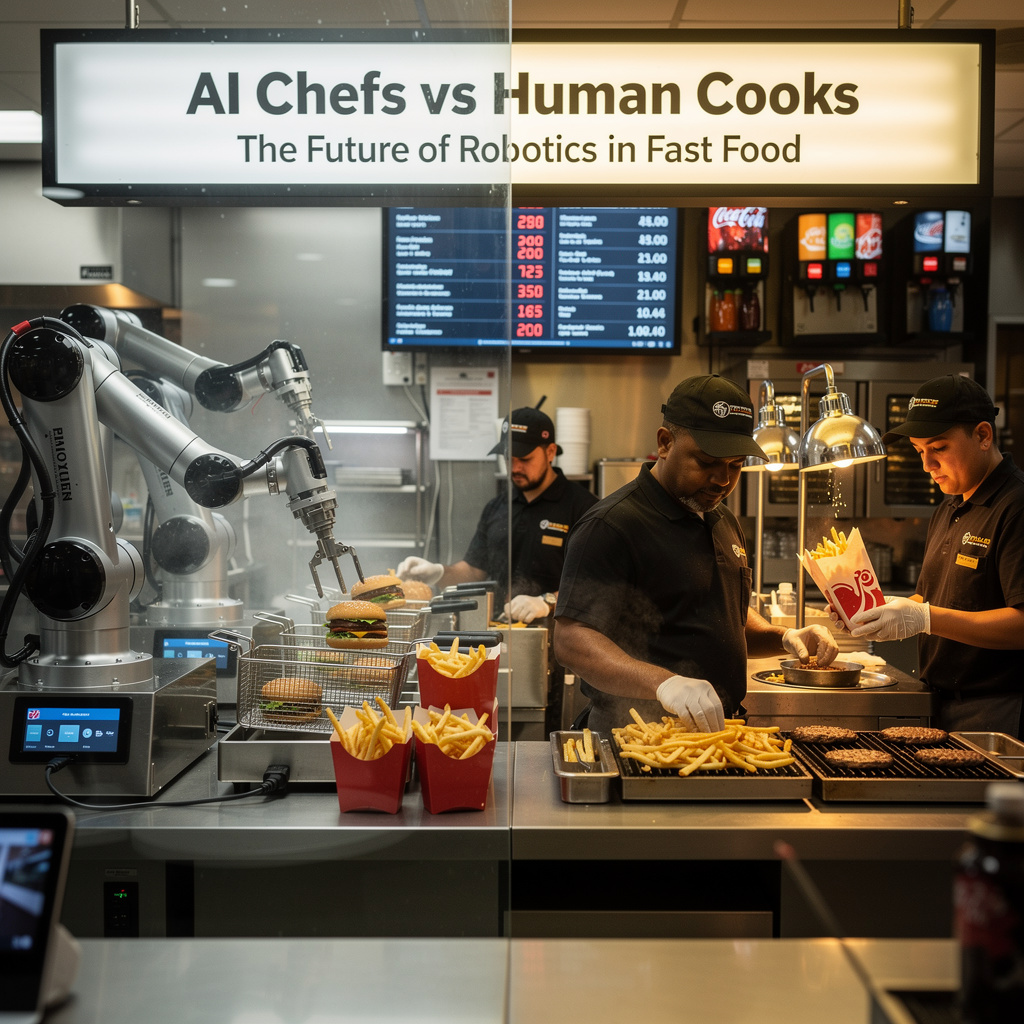
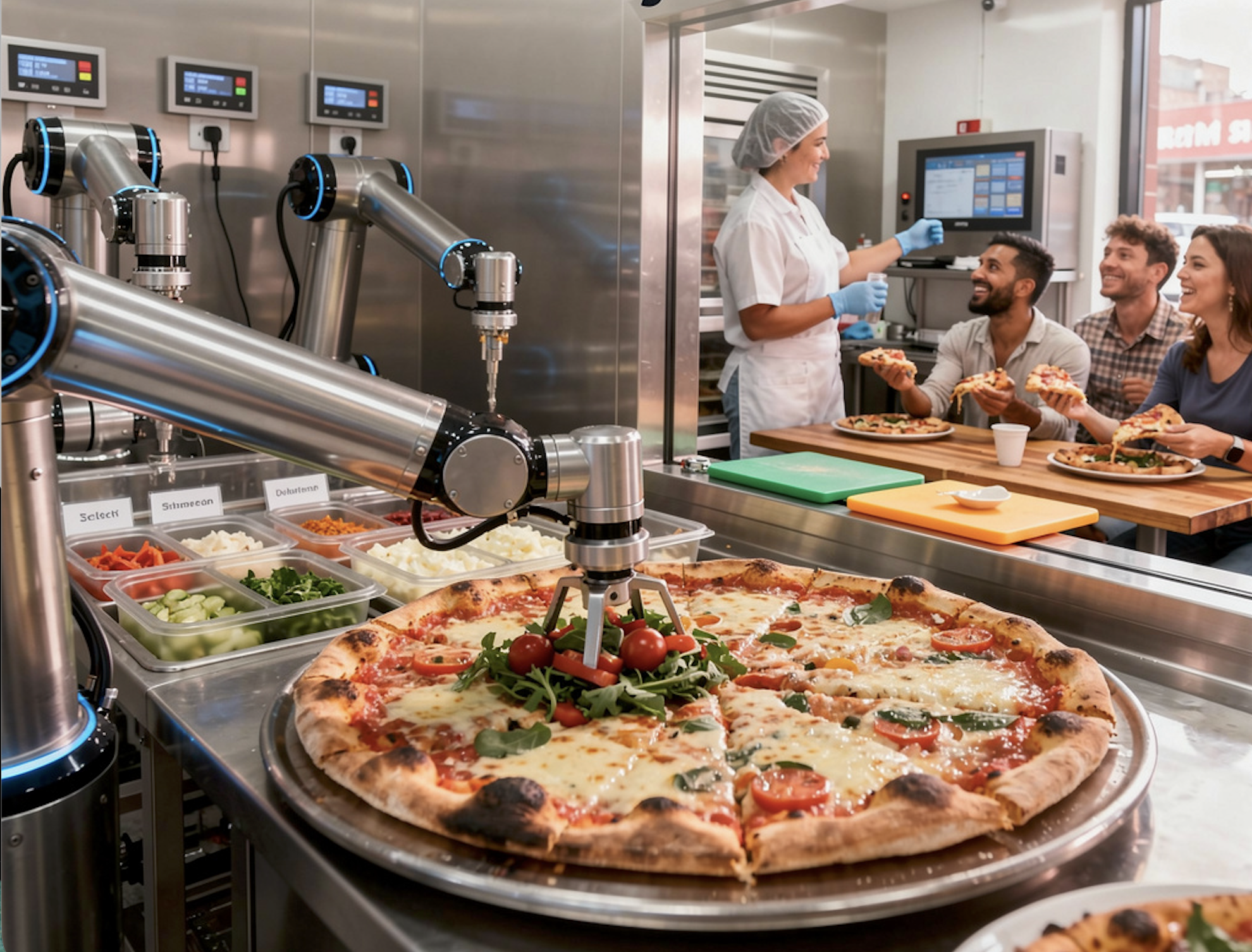
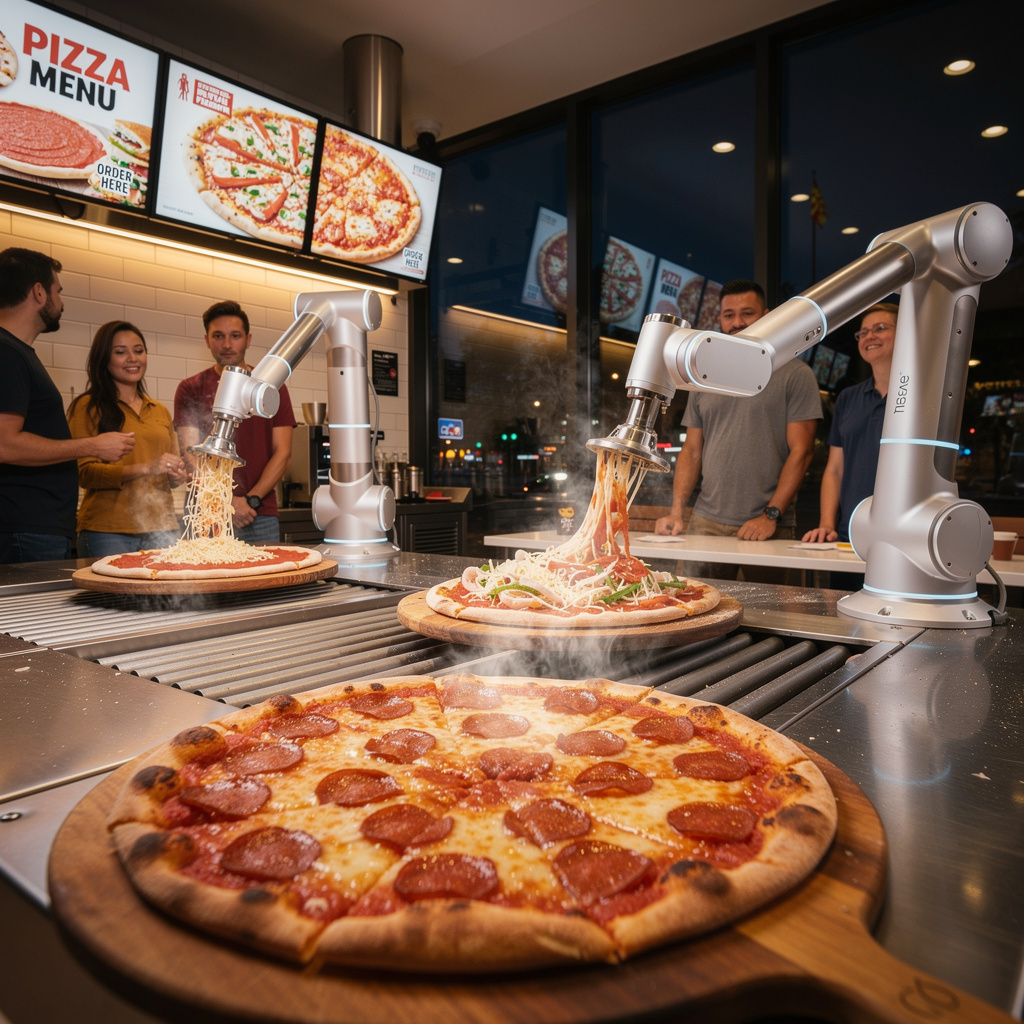
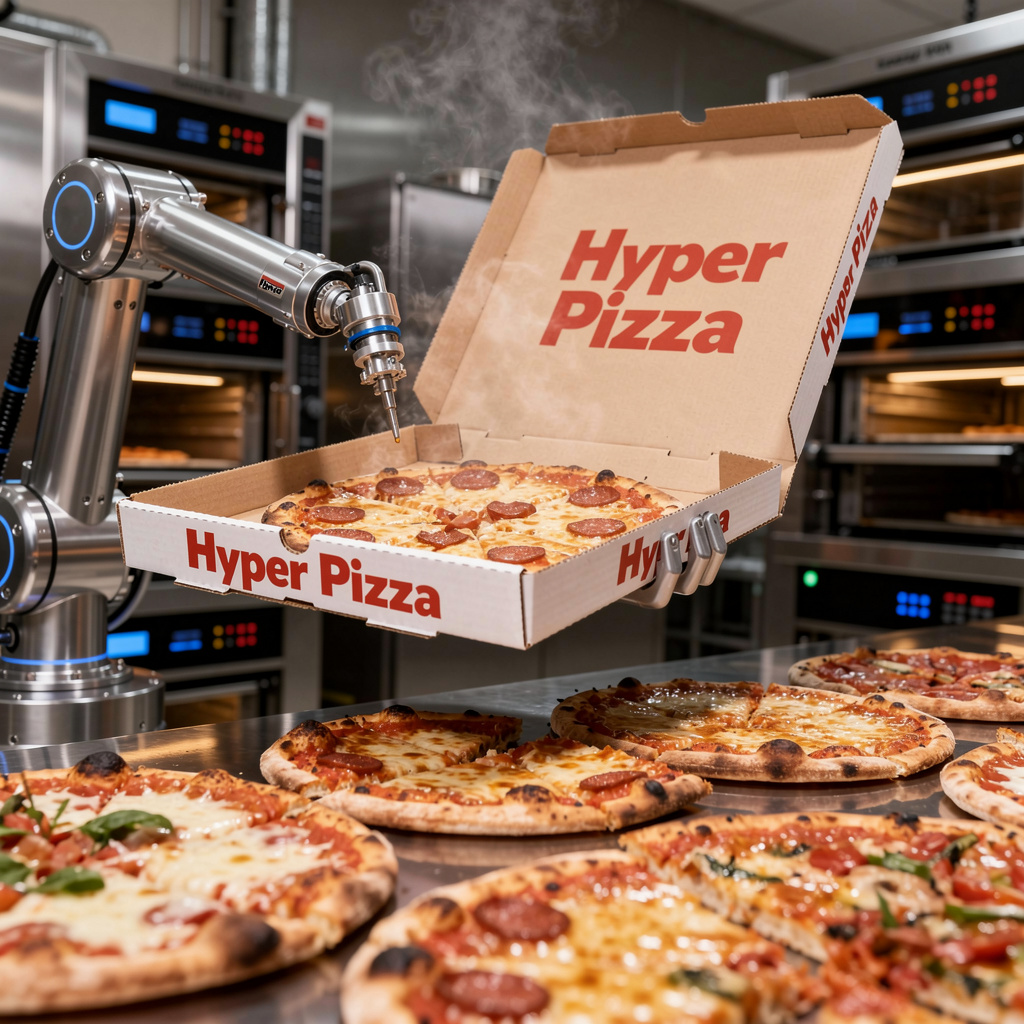
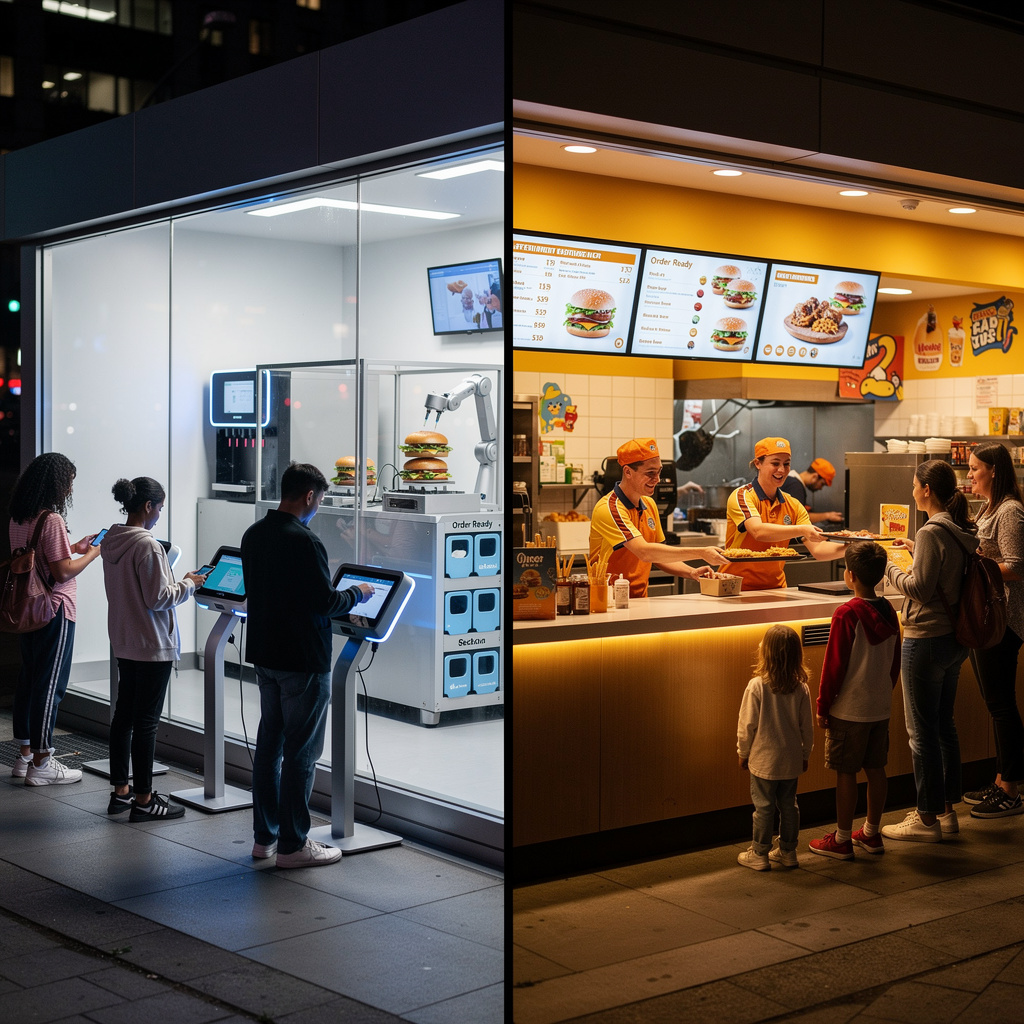
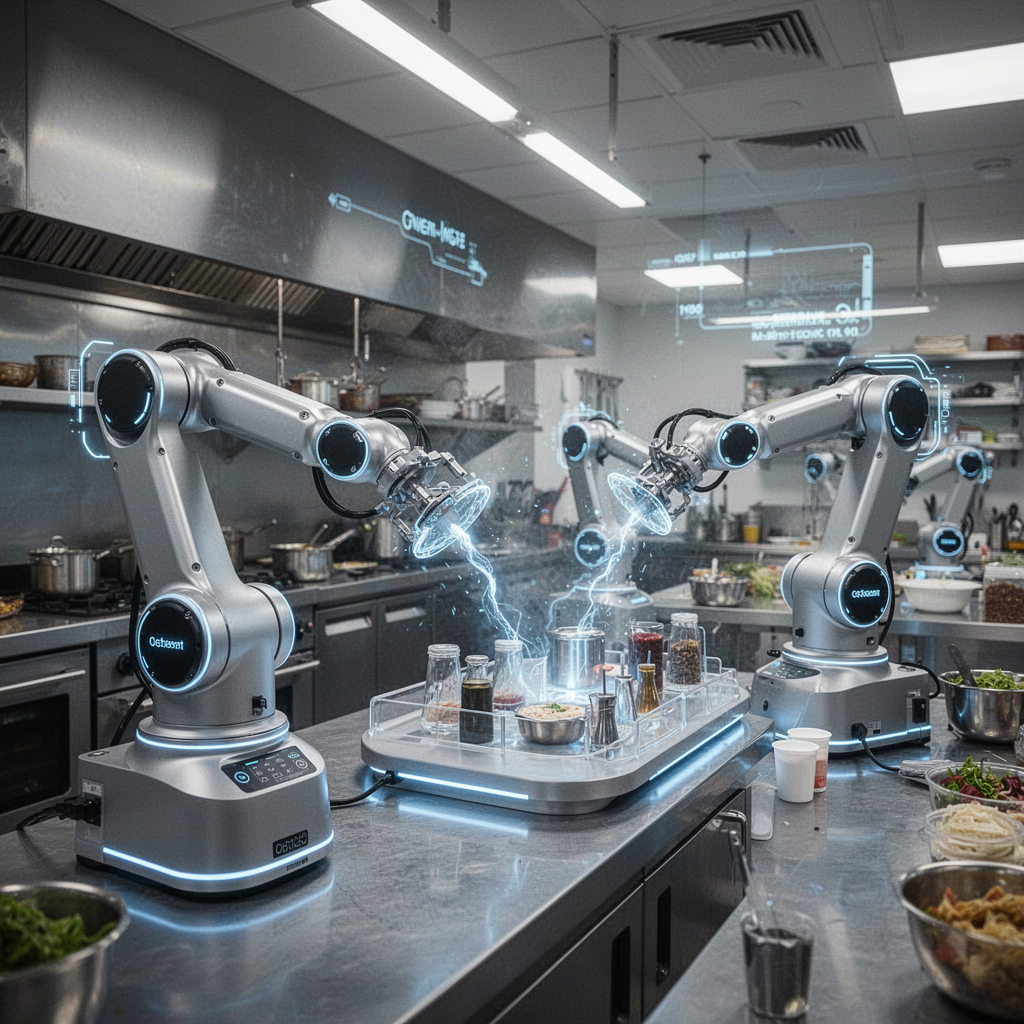
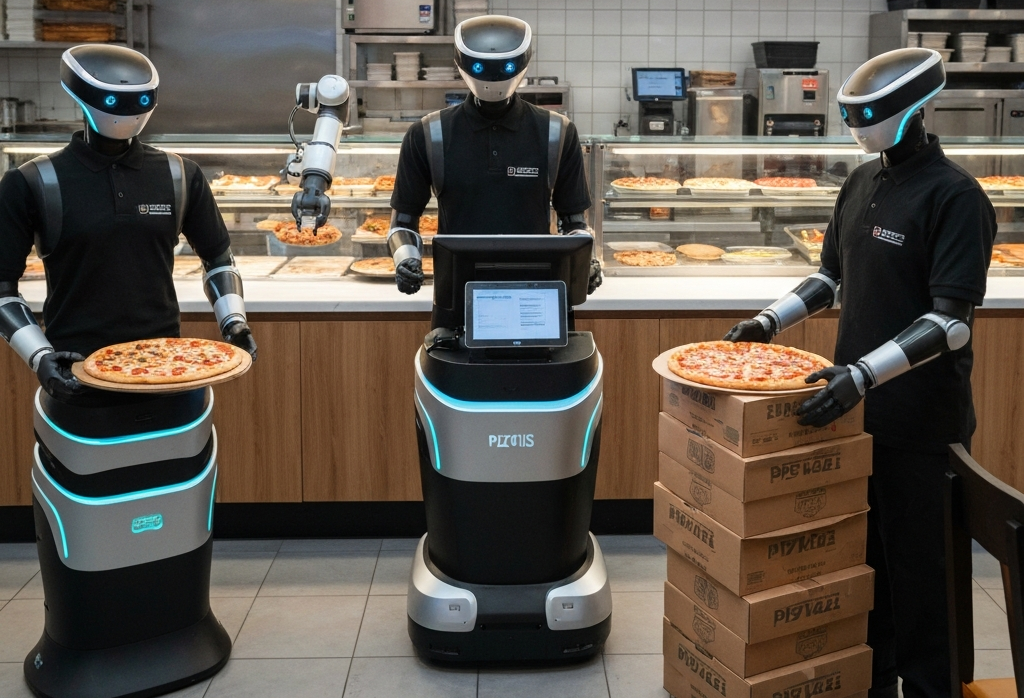
You walk into a downtown pickup hub and the shift smell is not of sweat, it is of perfectly timed automation. Robotics in fast food has transformed how kitchens operate, and labor shortages are no longer the relentless brake on expansion they were in 2026. You see autonomous 40-foot containers and 20-foot robotic units humming at scale, serving consistent pizza, burgers, salads, and soft serve, while a small human team manages exceptions, quality, and customer experience. This future matters because robotics in fast food, labor shortages, and the 2030 timeline are not abstract trends, they are practical variables that decide growth, margin, and speed for enterprise chains with 1,000 plus branches. Understanding that future gives you a clear lens for strategy, execution, and confident decision-making today.
Table of contents
- The 2030 Moment
- Rewind to 2025: The Inflection Point
- Obstacles Along the Way (2027–2028)
- Breakthroughs and Acceleration (2028–2029)
- Today’s Takeaway (Back to 2026)
- Key Takeaways
- Faq
- About Hyper-Robotics
The 2030 Moment
It is 2030 and the metrics on your dashboard look different. Labor cost volatility has been replaced by predictable machine schedules. Your chain runs hybrid clusters where autonomous units handle repeatable, high-volume tasks, and humans focus on brand, experience, and edge cases. Robotics in fast food solved the acute parts of the labor shortage problem by automating tasks that account for the majority of hourly work: prep, assembly, fry, bake, dispense, packaging, and pickup staging. You notice fewer late-night closures, more reliable delivery ETAs, and a clearer path to opening in dense delivery corridors without the months of recruitment and training you used to dread.
Rewind to 2025: The Inflection Point
In 2025 a set of aligned shifts created momentum. First, pilot data showed large labor savings. Internal studies by Hyper-Robotics suggested automation can cut fast food labor costs by up to 50 percent, and separate pilots estimated robots could cover as much as 82 percent of repetitive fast-food roles, saving billions annually. Those pilot results made the math real enough to run live tests. Second, capital markets began offering leasing and managed-service models that reduced CAPEX pain for chains. Third, POS and delivery platforms opened APIs that allowed robotics systems to integrate order routing and daypart optimization. Those three shifts turned robotics from an experiment into a strategic option for large-scale operators.

Obstacles Along the Way (2027–2028)
Not everything went smoothly. Menu complexity pushed back many deployments because customers wanted customization, and chains were not ready to trade that for speed. Some regulators in certain regions demanded exhaustive sanitation proof and traceability, which slowed permits. Technical staff learned that uptime depends on maintenance networks and spare parts, not just good software. A few high-profile pilots struggled with unit economics until financing and managed-service contracts matured.
These obstacles were predictable, and mitigation is practical. Hyper-Robotics published guidance on how automation reduces labor costs and why pilots must target repetitive tasks first . You also followed practical guidance on which roles robots could most reliably replace during early rollouts
Breakthroughs and Acceleration (2028–2029)
Between 2028 and 2029 a series of technical and commercial breakthroughs made the 2030 scene inevitable. Vision systems matured, combining 20-plus AI cameras with a suite of sensors for precise portioning, alignment, and anomaly detection. Sanitation automation reduced cleaning cycles and simplified compliance. Cluster-management software allowed real-time balancing of orders across nearby autonomous units, smoothing peak demand without adding staff. Financing products matured into leases, revenue-share pilots, and managed services. Fast-food operators who embraced an iterative rollout strategy achieved positive unit economics in two to five years, depending on wage levels and delivery density.
A few case studies set the tone. Early adopters focused on limited, high-volume menus, then expanded customization features once machine learning models learned more patterns. You remember reading the Hyper-Robotics blog that distilled pilot learnings and profit case studies, which helped you design your own pilot. A LinkedIn piece documenting how smaller chains rewired their operations for speed and delivery also influenced your thinking.
Today’s Takeaway (Back to 2026)
If you are a CTO, COO, or CEO at a chain with 1,000 plus branches, you need a clear picture of 2030 so you can make bolder, faster choices today. A future-present view changes how you allocate budget, hire, and pilot technology. The following playbook bridges today to 2030 with tactical steps you can take now.
1. Start with a narrow pilot. Choose a menu slice that is high volume and repeatable. Expect quick wins in pizza, burger, salad, and ice cream formats where robotics already shows clear advantages.
2. Use managed-service financing to reduce CAPEX risk. Lease models and revenue-share pilots let you test economics before converting capital budgets.
3. Integrate telemetry and POS APIs from day one. Cluster orchestration fails if you cannot share order volumes and inventory data in real time.
4. Build a local maintenance network. Predictive maintenance and spare-parts logistics reduce downtime and customer friction.
5. Align menu and UX. Simplify daypart menus and make customization options that map to machine capabilities.
6. Measure the right KPIs. Focus on orders per hour, order accuracy, MTBF, MTTR, labor hours replaced, food waste, and NPS.
Treat robotics as a systems decision, not a gadget. That means aligning real estate, operations, finance, IT, and franchise partners up front. If you do that, a two to five year path to positive unit economics becomes plausible for many deployment scenarios.

Key Takeaways
- Pilot narrow, high-volume menus first to capture immediate labor savings and consistent throughput.
- Use financing or managed-service models to lower CAPEX barriers and accelerate cluster-scale benefits.
- Prioritize integration with POS and delivery partners to enable cluster orchestration and daypart optimization.
- Build maintenance and spare-parts networks to protect uptime and customer trust.
- Measure clear KPIs: orders per hour, order accuracy, labor hours replaced, MTBF, MTTR, and NPS.
FAQ
Q: Can robotics really replace most fast-food labor by 2030?
A: Robotics can replace a large share of repetitive, high-volume tasks by 2030, especially in delivery-focused formats. Pilots show automation can cut labor costs by up to 50 percent and in some cases cover up to 82 percent of specific roles, which makes it a material solution for chains that standardize menus and dayparts. You should expect humans to remain essential for quality exceptions, supply logistics, and customer experience. The goal is to redeploy talent to higher-impact work, not to eliminate every role.
Q: What should a 1,000-plus branch chain measure during a pilot?
A: Focus on throughput, order accuracy, labor hours replaced, MTBF, MTTR, food waste reduction, and NPS. Throughput and accuracy prove the machine can meet demand. Labor hours replaced ties directly to ROI. MTBF and MTTR protect uptime economics. You must also measure customer sentiment to catch acceptance issues early and adjust UX and communication.
Q: How do you manage regulatory and food-safety concerns?
A: Engage regulators early and demonstrate HACCP-compliant workflows, sanitation logs, and traceability. Use certified materials and automated sanitation cycles. You should provide detailed telemetry and audit trails so health departments can see time-stamped cleaning events and temperature logs. Doing this in pilot builds trust and shortens time to permit for scale.
Q: Is the capital cost worth it compared with hiring staff?
A: It depends on your wage environment, delivery density, and menu complexity. In many markets automation yields payback in two to five years under a lease or managed-service model. Use a conservative ROI model that includes CAPEX, OPEX, maintenance, connectivity, and the real labor savings from lower turnover and fewer training cycles. If you need a template or pilot ROI, Hyper-Robotics can provide a tailored model.
About Hyper-Robotics
Hyper Food Robotics specializes in transforming fast-food delivery restaurants into fully automated units, revolutionizing the fast-food industry with cutting-edge technology and innovative solutions. We perfect your fast-food whatever the ingredients and tastes you require.
Hyper-Robotics addresses inefficiencies in manual operations by delivering autonomous robotic solutions that enhance speed, accuracy, and productivity. Our robots solve challenges such as labor shortages, operational inconsistencies, and the need for round-the-clock operation, providing solutions like automated food preparation, retail systems, kitchen automation and pick-up draws for deliveries.
You have a choice now. You can wait and watch other chains convert labor into software and machines, or you can design a pilot that proves the economics, builds the maintenance network, and prepares your teams for scaled automation. Which path will you pick to make 2030 your operating reality?