“Why are some robot restaurants several times faster than your busiest outlet?”
You want speed, reliability, and predictable economics when you scale fast-food operations, and the real secret behind the fastest robot restaurants is not a single gadget. It is a tightly engineered system that brings together purpose-built kitchen robot hardware, dense sensor fabrics, machine vision and AI chefs, and real-time orchestration, packaged as plug-and-play autonomous fast food units. Early adopters see predictable throughput, near-zero human-contact food safety, and faster time-to-open, which is why you should pay attention to robotics in fast food and kitchen robot innovations now.
Table Of Contents
- Why fast food needs kitchen robots now
- The secret architecture that powers speed and consistency
- Hardware: food-first robots and modular design
- Sensors, cameras, and machine vision for QA
- Real-time orchestration, edge compute, and cluster control
- Design choices that shave seconds and reduce variation
- Vertical modules: pizza, burger, salad, ice cream
- Containerized deployment and rapid rollouts
- KPIs, ROI, and pilot expectations
- Integration playbook for CTOs and COOs
- Risks, compliance, and mitigations
- Where automation goes next
You will get a practical, actionable breakdown of the engineering and operational choices that enable robot restaurants to beat peak traffic, plus an implementation playbook you can use to evaluate pilots and scale fleets. This article uses real product forms, deployment models, and industry examples so you can act, not just admire.
Why Fast Food Needs Kitchen Robots Now
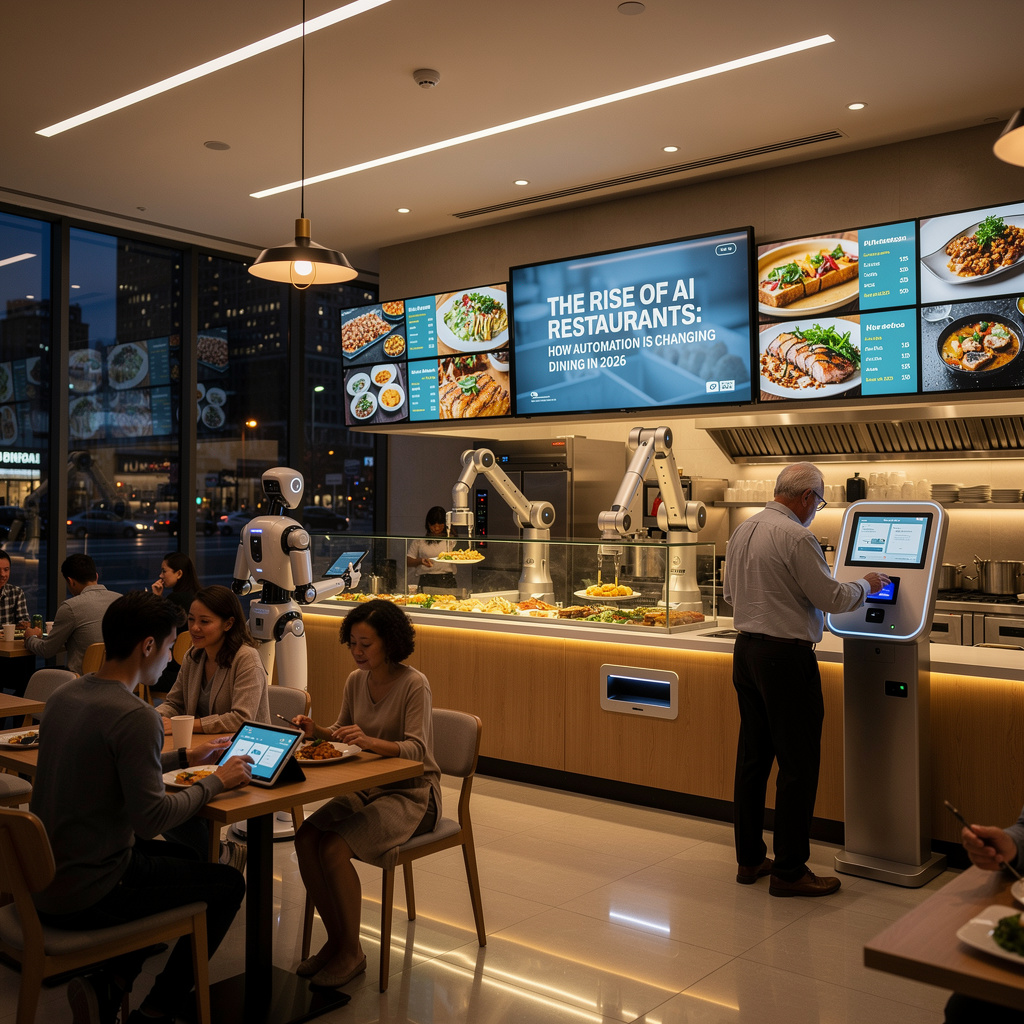
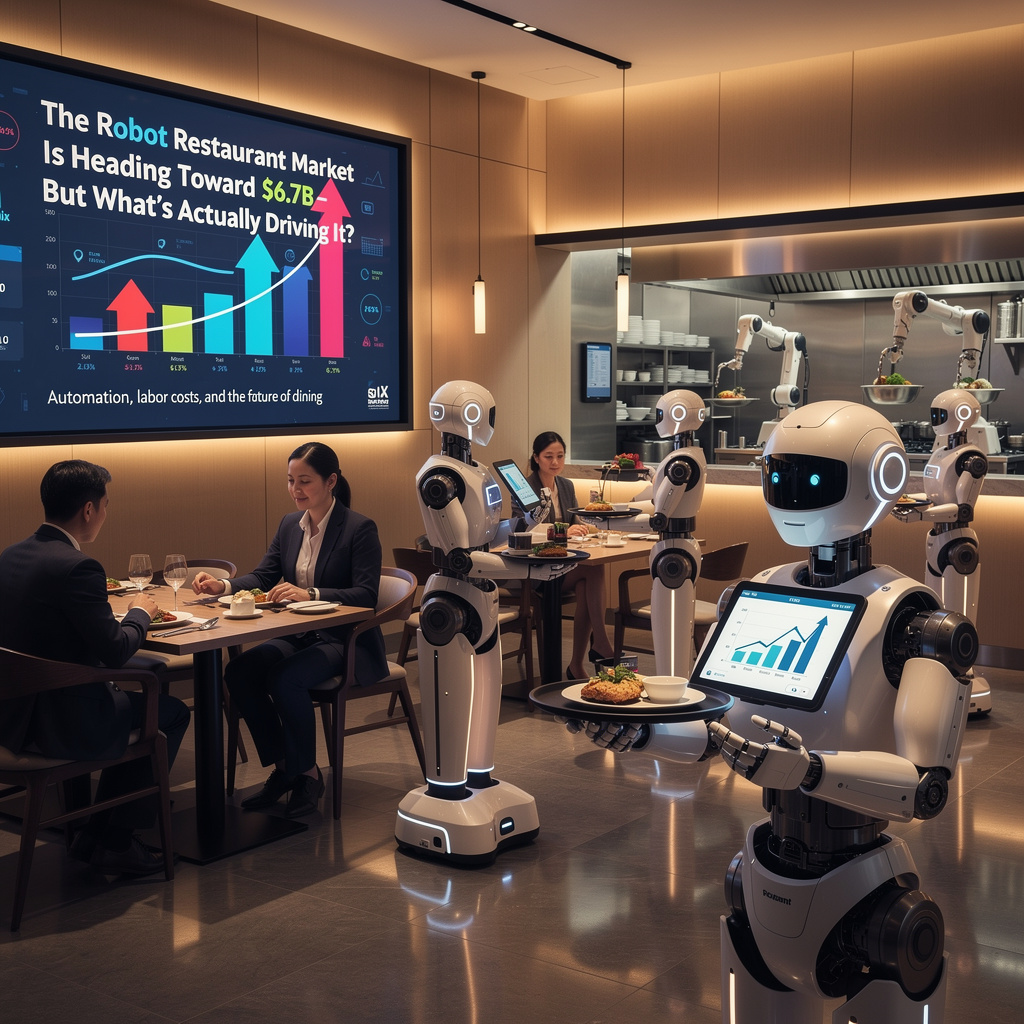
You face two hard trends every quarter, and they do not go away. Labor costs and shortages squeeze margins and consistency. Delivery-first consumers create demand spikes that human teams struggle to hit without huge variable labor costs. Add heightened hygiene expectations, and you have an imperative to reshape operations. Automation in restaurants is shifting from curiosities to production models because it solves these structural problems.
Industry commentary shows indoor delivery robots and kitchen automation are maturing as proven tools, not experiments. For context on delivery and service robotics adoption, see the overview of restaurant automation and indoor food delivery robots from RobotLAB, which highlights how robotics frees staff for higher-value guest interaction and scales delivery throughput RobotLAB overview on restaurant automation.

The Secret Architecture That Powers Speed And Consistency
If you strip marketing away, speed in a robot restaurant comes from five integrated layers working together. Each layer reduces uncertainty and compresses time.
1) Purpose-Built Hardware
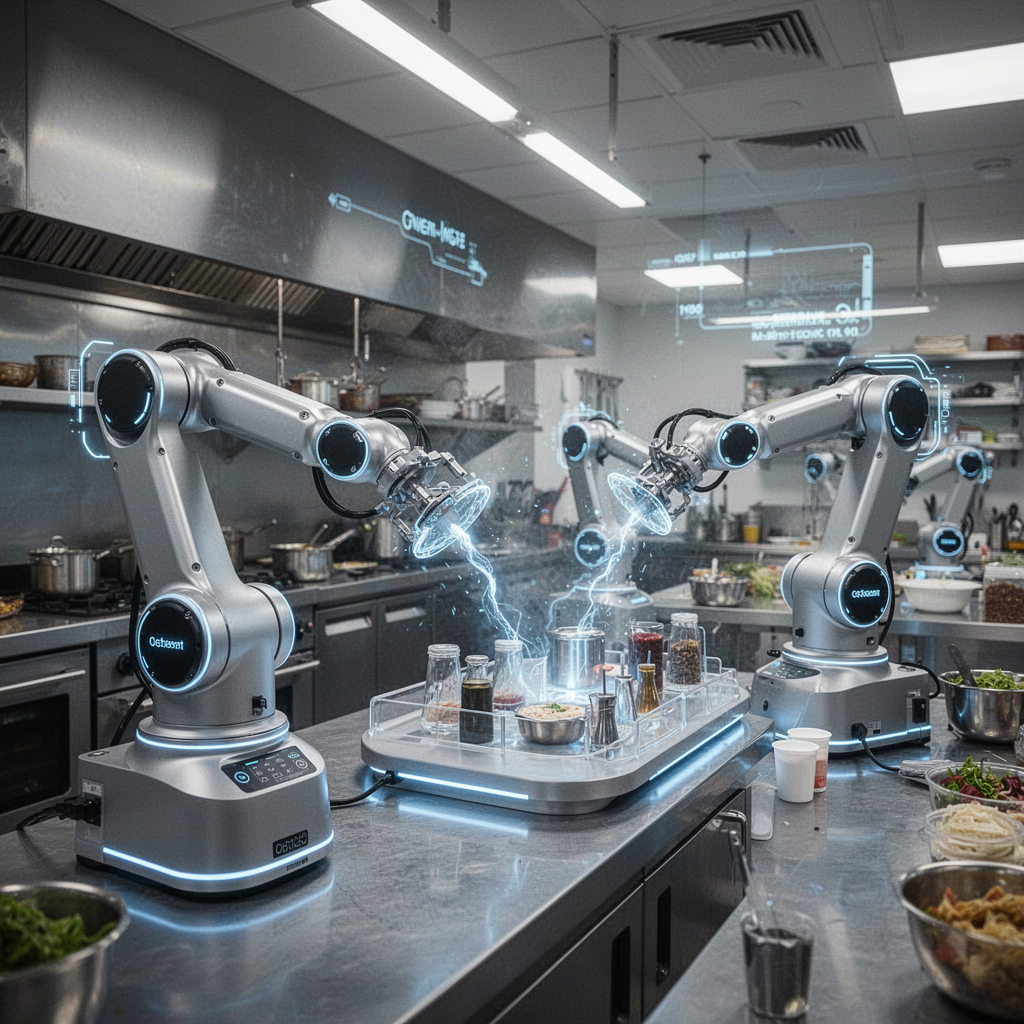
You will not get production speed by bolting an industrial arm onto a countertop. The fastest robot restaurants use food-first actuation, high-cycle end-effectors optimized for dough, patties, sauces, and soft-serve, and hygienic materials like stainless steel contact surfaces. These designs prioritize quick changeovers, easy cleaning, and high duty cycles. For how kitchen robots and AI chefs move from trade-show curiosities to production tools, review the Hyper-Robotics discussion on how kitchen robots are transforming fast-food restaurants.
2) Sensors, Cameras, And Machine Vision For Verification
You need temperature, weight, proximity, and optical checks at every step. The industry pattern uses hundreds of sensors and tens of cameras per unit to monitor product position, doneness, portion size, and assembly order. Machine vision performs recognition and verification. When a camera flags an under-topped pizza or a miss-stacked burger, the orchestration system reroutes work and corrects the issue before the order leaves the line. Sensor redundancy creates auditable quality logs that your compliance and food-safety teams can rely on.
3) Real-Time Orchestration And Edge Compute
Speed comes from pipelining tasks, not from a single faster arm. Orchestration software coordinates multiple subsystems, so one module stretches dough while another applies sauce and a third loads the oven. Edge compute handles sub-millisecond control loops for motion and safety, while cloud systems manage fleet updates, analytics, and cross-site load balancing. When you deploy multiple units, cluster algorithms smooth demand spikes and shift work across facilities to maintain throughput.
4) Deterministic Motion And Safety
Robots follow exact motion profiles every time. Determinism reduces variability in cook times and portion placement, which lowers rework and returns. Safety systems combine force sensing, proximity stops, and validated motion envelopes so you get speed without compromising human safety where humans remain in the loop.
5) Productized Deployment Model
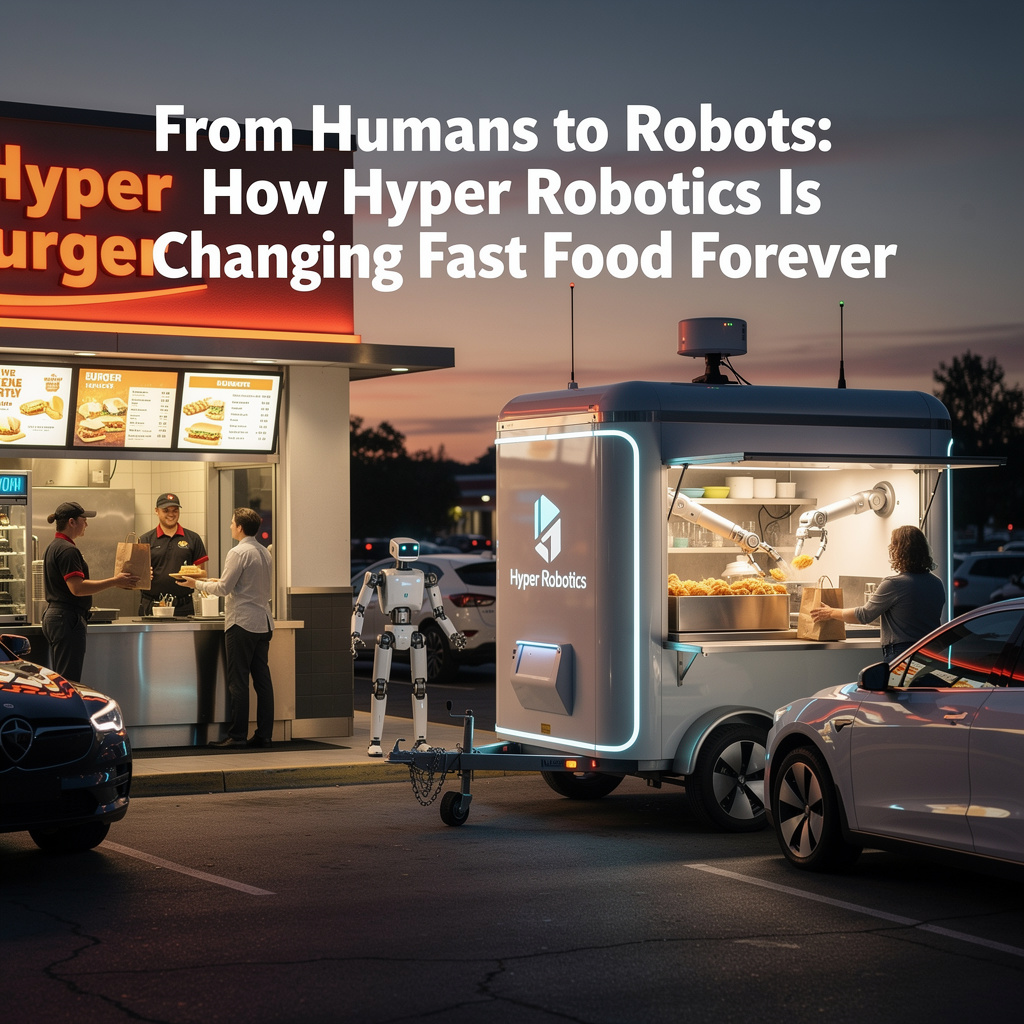
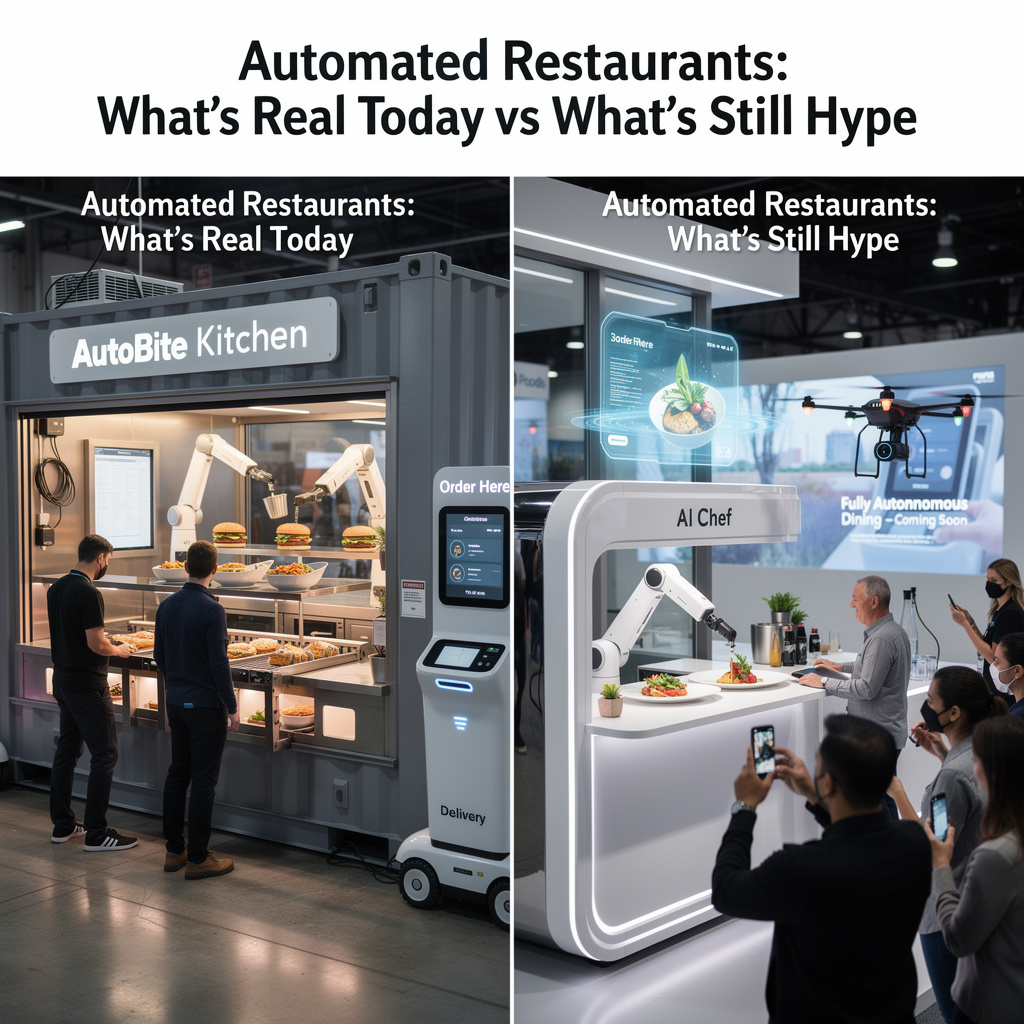
The fastest operators buy a product, not a bespoke line. Containerized, factory-tested units are shipped as 40-foot or 20-foot plug-and-play kitchens, which significantly shorten site preparation and regulatory approvals. Hyper Food Robotics has published a demonstration of a fully autonomous 20-foot unit, a service form that many operators find ideal for delivery-first deployments.
Design Choices That Shave Seconds And Reduce Variation
You want to shave seconds at scale. Here are practical design decisions that deliver measurable results.
Parallelize tasks, do not serialize them. Multiple robotic manipulators working concurrently reduce lead time per order. You will see improvements most on high-mix, high-volume menus.
Instrument everything. Real-time telemetry for temperature, weight, and position reduces manual checks and creates auditable HACCP-style records.
Use zoned thermal control. Independent temperature sensors for each compartment maintain food safety and consistent product quality without manual verification.
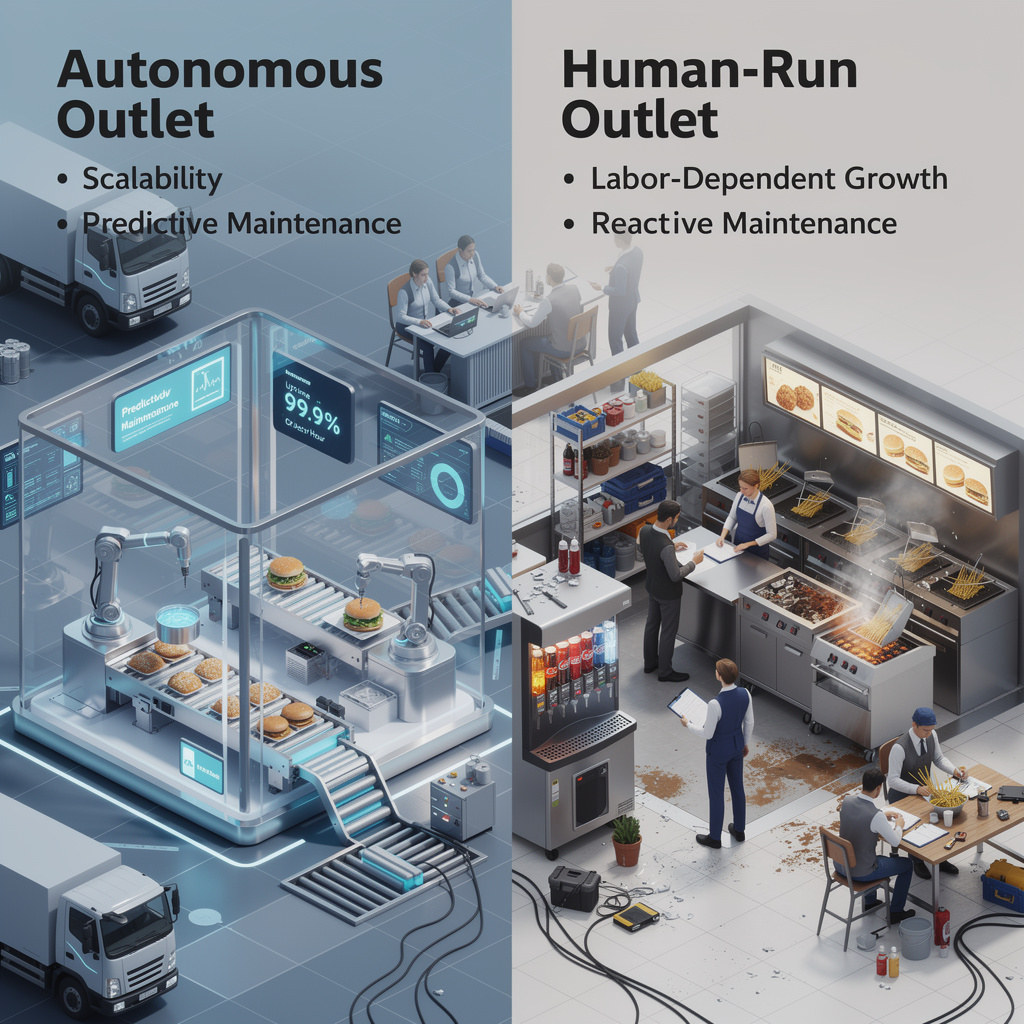
Build for cleaning and maintenance. Self-sanitizing cycles that use physical agitation, heat, and UV where appropriate avoid chemicals and reduce downtime. Predictive maintenance driven by sensor trends reduces mean time to repair.
Design for redundancy. Duplicate critical actuators and critical sensors so the unit degrades gracefully rather than stopping at a single component failure.
Vertical Modules: How Pizza, Burger, Salad, And Ice Cream Are Solved
You should evaluate robot restaurants by vertical capability, not just arm speed.
- Pizza robotics: Dough handling, precise stretch profiles, multi-nozzle topping dispensers, and conveyor ovens with bake profiling deliver consistent pies without a human touch. Vision systems verify topping coverage and crust browning.
- Burger automation: Automated grills with timed flips and robotic pick-and-place assembly enable high throughput. Sauce dispensers and stacking arms maintain order accuracy at scale.
- Salad and bowl assembly: Sterile dispensers portion fresh produce into bowls. Controlled dispensers and weight-based checks improve yield and reduce contamination risks.
- Ice cream and soft-serve: Temperature control and swirl actuators maintain texture. Automated inclusion feeders add mix-ins with repeatable timing.
Containerized Deployment And Rapid Rollouts
If you manage thousands of sites, productization is a must. Containerized units arrive factory-calibrated, pre-integrated with POS and telemetry, and tested for cleaning cycles and safety. This reduces site construction, and shortens regulatory clearance times. The factory-to-store model is how you scale quickly and predictably.
Hyper-Robotics has documented how autonomous fast-food models move from pilot projects to enterprise deployments, which is the shift you want to capture when planning scale Hyper-Robotics knowledgebase on bots and automation in fast food.
KPIs, ROI, And Pilot Expectations
You will measure success with a tight list of KPIs. Track these at the pilot stage and scale only when they meet targets.
- Orders per hour, by menu line, is the most direct throughput metric. Aim to establish both average and peak throughput.
- Order lead time, from receipt to ready-for-delivery, will show the customer experience impact.
- Order accuracy percentage is a leading indicator of reduced rework and reputation risk.
- Labor cost delta and redeployment savings should be calculated as redeployed staff plus reduced variable labor hours.
- Waste reduction and yield improvement are immediate sources of margin recovery.
- Uptime and mean time to repair are operational risk metrics. Require SLAs that specify parts availability and remote diagnostic windows.
A well-designed 90-day pilot should prove throughput lift, accuracy improvement, and a road map to payback. Use telemetry to create the business case for replication.
Integration Playbook For CTOs And COOs
You must plan integration like a product rollout, with these steps.
- Select pilot sites with high, predictable order volumes and limited menu complexity.
- Integrate orders into POS and aggregator streams. Ensure order routing can redirect to robot units with the right modifiers.
- Instrument telemetry for real-time monitoring of inventory, temperature, and QA cameras.
- Define SLAs for uptime, parts, and software updates. Include rollback plans for software deployment.
- Train staff for supervision, exception handling, and first-line maintenance.
- Plan cluster rollouts in waves, using fleet analytics to tune restocking and capacity.
Risks, Compliance, And Mitigations
You will face regulatory checks, cybersecurity scrutiny, and power or connectivity risks.
For compliance, provide auditable sanitation logs, HACCP-aligned traceability, and pre-certified cleaning cycles.
Adopt IoT security best practices: secure boot, firmware signing, encrypted telemetry, and role-based access. Require third-party penetration tests and publish security summaries for auditors.
Design for local UPS and fail-safe modes that secure perishable inventory during outages. Include remote isolation of systems if network compromises are detected.
Where Automation Goes Next
Expect fleets that optimize menu mix by location, predict demand with higher accuracy, and reassign capacity across micro-fulfillment clusters. Robots will allow smaller footprints, faster delivery windows, and new store economics. You will move from pilot projects to fleet-level operations, where software and data create the largest leverage.

Key Takeaways
- Treat speed as a systems problem, not a robot-only upgrade, and align hardware, sensors, control, and productization.
- Start with a focused, instrumented 90-day pilot, with measurable KPIs for throughput, accuracy, and uptime.
- Require factory-tested, plug-and-play units to compress site work and speed rollouts.
- Design integrations for POS, aggregators, and telemetry from day one, and include SLAs for parts and security.
- Use predictive maintenance and sensor redundancy to protect uptime and food safety.
FAQ
Q: How quickly can a containerized robot kitchen be deployed?
A: Deployment time varies by local permitting and site prep, but factory-tested 20-foot or 40-foot units are designed to be largely plug-and-play. In many cases you can achieve functional deployment within weeks, not months, once site power and network are confirmed. Expect additional time for local health inspection and POS integrations. Run a pilot with a narrowly scoped menu to accelerate certification and to collect real performance data for scaling decisions.
Q: What metrics should I measure during a pilot?
A: Track orders per hour, average order lead time, order accuracy rate, waste by weight and dollar value, labor hours saved or redeployed, and uptime. Include soft metrics such as customer satisfaction and delivery ETAs. Use these to calculate payback and to tune menu items that produce the best unit economics on the robot platform.
Q: How do these systems handle food safety and cleaning?
A: Robot kitchens use hygienic materials, self-sanitizing cycles, and sensor-based verification to log cleaning events. You should demand auditable sanitation records, HACCP-style logging, and evidence of validated cleaning protocols for health inspectors. Design cleaning cycles into shift patterns to avoid downtime during peak traffic.
Q: What cybersecurity protections are necessary?
A: Adopt IoT best practices, including secure boot, signed firmware, encrypted telemetry, role-based access, and network segmentation. Require third-party penetration testing and operational procedures for incident response. Ensure that POS and aggregator integrations are tokenized and do not expose credentials to on-premise controllers.
About Hyper-Robotics
Hyper Food Robotics specializes in transforming fast-food delivery restaurants into fully automated units, revolutionizing the fast-food industry with cutting-edge technology and innovative solutions. We perfect your fast-food whatever the ingredients and tastes you require.
Hyper-Robotics addresses inefficiencies in manual operations by delivering autonomous robotic solutions that enhance speed, accuracy, and productivity. Our robots solve challenges such as labor shortages, operational inconsistencies, and the need for round-the-clock operation, providing solutions like automated food preparation, retail systems, kitchen automation and pick-up draws for deliveries.
You have an opportunity. Will you pilot a focused deployment that proves throughput and quality, or will you wait until competitors take the lead and own the economics of autonomous fast food?